January 19, 2026


Marketing rarely comes with a pause button.
Campaigns overlap. Channels expand. Teams work across regions and time zones. And somehow, everything still needs to stay consistent and measurable.
For many marketing managers, that pressure can quietly turn strategic work into constant coordination.
We spoke with Aaron Rayner, a marketing leader with over 20 years of experience, about how he keeps a global marketing function moving without losing clarity along the way.

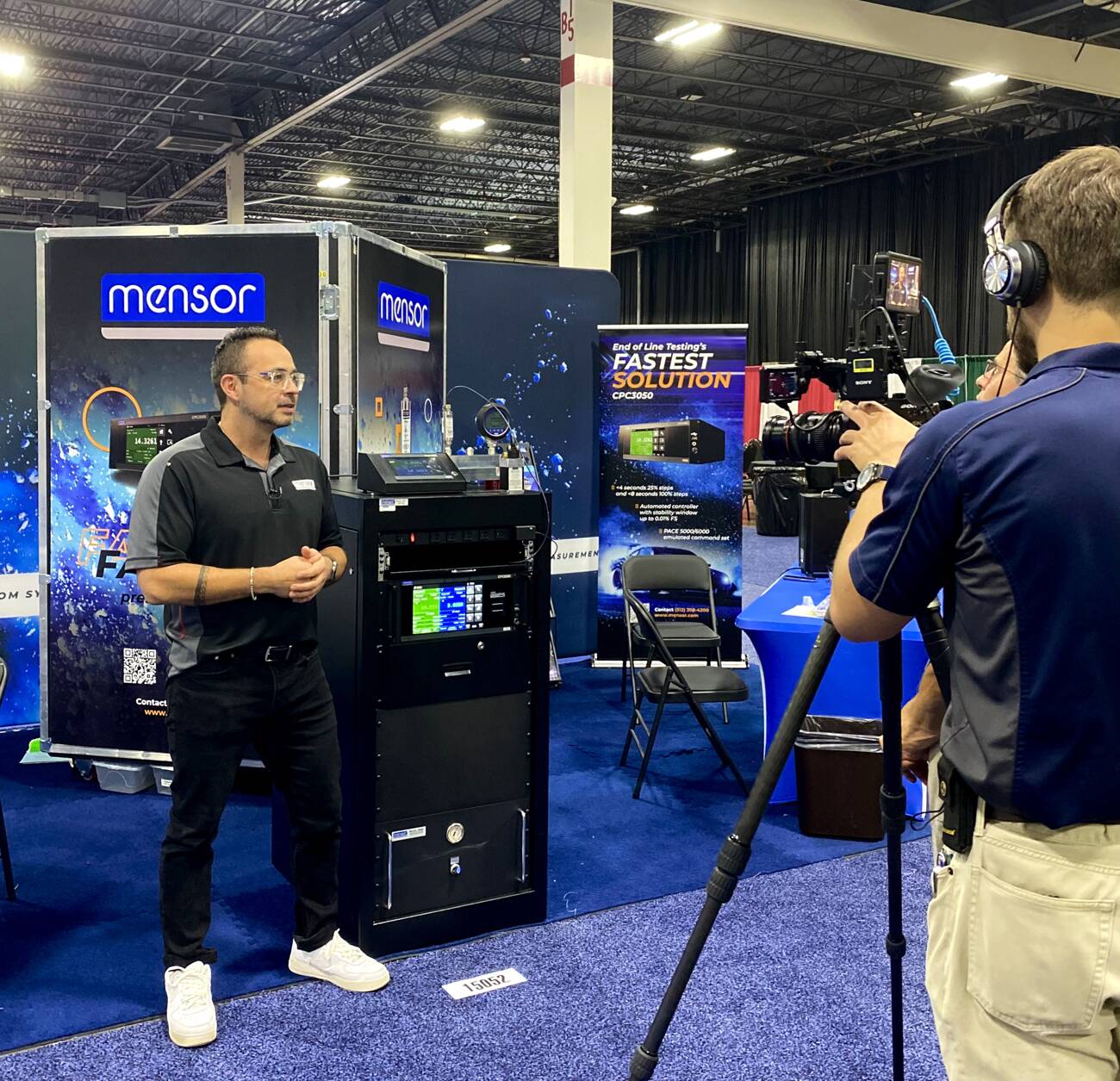
Aaron’s role isn’t defined by a single campaign or channel. Most days are spent balancing ongoing initiatives, aligning with product, sales, and engineering teams, and coordinating with regional marketers across international markets — all while facing the constant pressure of demand generation in a mature, competitive industry.
That complexity has shaped how he approaches leadership. Instead of chasing flashy tactics, Aaron focuses on structure, communication, and systems that prevent things from breaking as scale increases.
From there, five practices stand out. Not as shortcuts, but as stabilizers.
For established companies, awareness isn’t the problem. Standing out is.
Aaron explains that in a saturated market, quick wins rarely move the needle for long. His team shifted its focus toward consistency, building visibility gradually through steady, intentional content rather than chasing spikes.
Over time, that consistent presence feeds search engines, supports AI discovery, and reinforces brand recall — not overnight, but reliably.
💡 Key takeaway: Sustainable lead generation comes from consistent presence, not one-off campaigns.
Aaron’s marketing stack is robust, spanning CRM systems, analytics platforms, and creative tools. But tools, he says, aren’t what keep things running smoothly.
Clear ownership, shared context, and regular alignment across teams matter more than adding another platform. Without that foundation, even the best tools quickly become noise.
💡 Key takeaway: Tools support the workflow, but they don’t replace alignment.
Aaron is a strong believer in AI — with boundaries. His team uses AI for automation, analysis, and content support, but accuracy is never negotiable. In a highly specialized industrial field, unchecked output isn’t just risky, it’s unacceptable.
That means controlling data sources, reviewing outputs, and keeping experienced humans firmly in the loop. AI accelerates work, but responsibility stays with the team.
💡 Key takeaway: AI accelerates work, but it doesn’t replace responsibility.
Campaign KPIs matter. Scorecards get reported. Performance is tracked.
But for Aaron, success goes beyond numbers. It shows up in professional growth, confidence, and the long-term development of his team.
Industry awards and external recognition aren’t about ego. They’re validation that the work stands up to peer review. Still, mentorship and growth remain the real markers of progress.
💡 Key takeaway: Strong teams drive sustainable results.


Working across dozens of markets has reshaped how Aaron views communication. Language and cultural differences aren’t obstacles. They’re opportunities to understand how marketing is received, not just delivered.
Even slow progress builds stronger relationships and smoother collaboration, especially in global environments where context matters as much as content.
💡 Key takeaway: Global effectiveness comes from understanding people, not just markets.
Throughout our conversation, one theme kept resurfacing even when it wasn’t named directly: control through clarity.
When teams collaborate across regions, reuse content at scale, rely on AI responsibly, and move fast without breaking trust, shared drives and scattered tools start to show their limits.
At that point, Digital Asset Management stops being “another tool” and starts becoming infrastructure — a single source of truth that keeps content usable, accurate, and accessible over time.
Not to work faster. But to work calmer, cleaner, and with confidence.
Aaron’s story is a reminder that modern marketing leadership isn’t about doing more. It’s about designing systems that make work sustainable.
Clear communication. Intentional content. Measured use of AI. Strong collaboration. And assets that stay usable long after a campaign ends.
When those pieces align, marketing stops feeling like constant catch-up and starts feeling like progress again.
If you’d like more stories like this, subscribe to our newsletter series, where we unpack how teams navigate complexity and what actually helps.
On-premise licensing keeps costs predictable. You own your storage and infrastructure — no per-gigabyte fees or hidden cloud markups.