Digital Asset Management (DAM) is a system for storing, organizing, managing, and distributing digital files (called digital assets) from a centralized library. These assets can include images, videos, documents, design files, audio, 3D models, and other rich media used across teams and projects.
A DAM system replaces scattered folders, shared drives, and ad-hoc cloud storage with a structured, searchable archive that keeps assets easy to find, reuse, and control as collections grow.
DAM is commonly used by marketing teams, creative departments, architecture and engineering firms, manufacturers, government organizations, and any team that works with large volumes of digital content.
A well-implemented DAM system helps organizations:
As asset libraries grow, DAM becomes less of a convenience and more of an operational necessity.
Digital Asset Management is used wherever content volume, collaboration, or long-term reuse becomes a challenge.
Typical DAM use cases include:
In all cases, DAM reduces time spent searching for files and minimizes asset duplication or misuse.
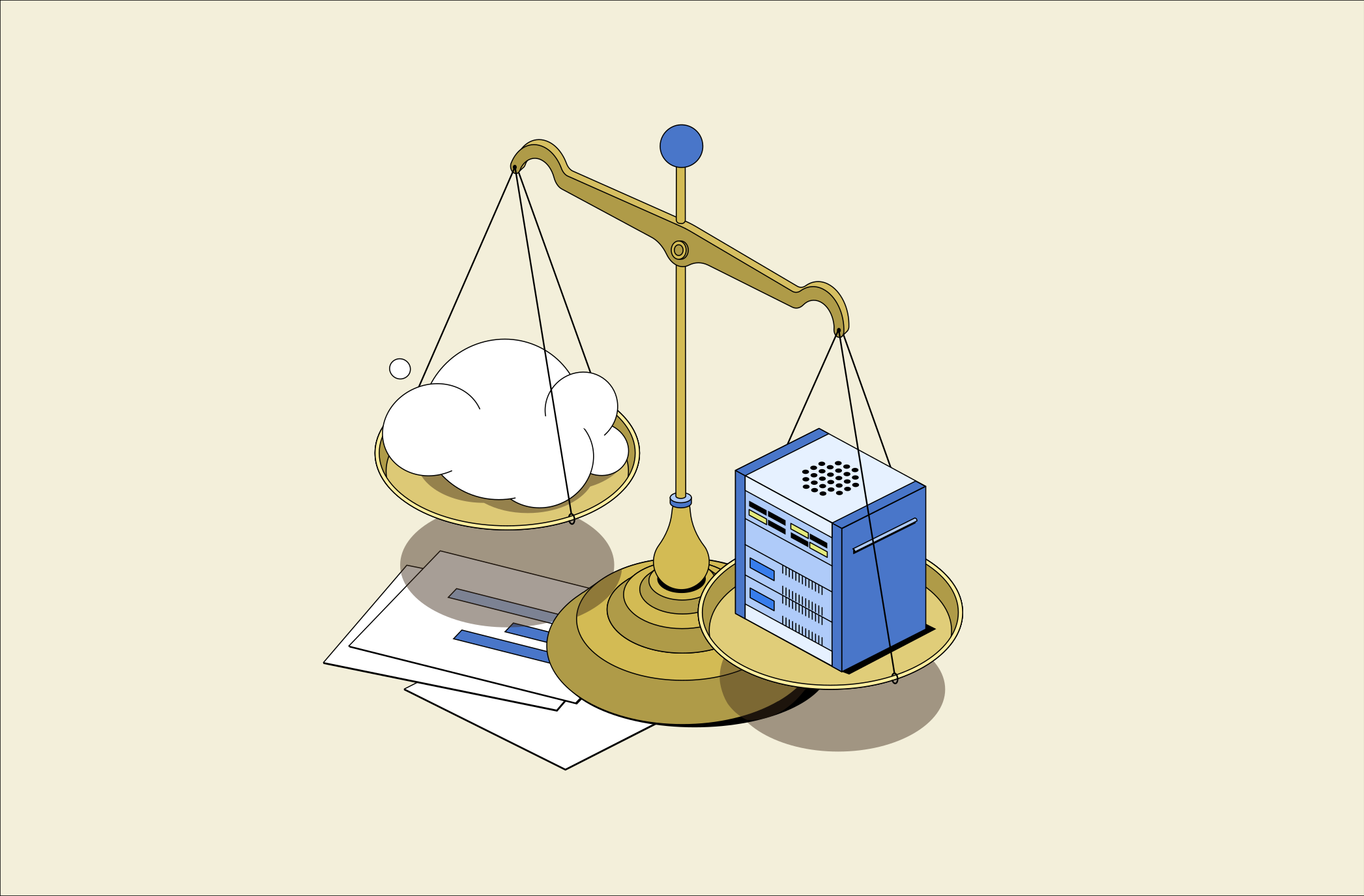
An on-premise DAM is installed on servers fully controlled by the organization. Assets are stored inside the company’s own infrastructure, giving full control over data, security, performance, and long-term access.
A cloud DAM is hosted by a vendor and accessed over the internet. Assets are stored in the provider’s environment, with faster setup and easier remote access, but less control over infrastructure and data location.
In short: on-prem DAM prioritizes control and security, while cloud DAM prioritizes convenience and rapid deployment. Read more about these deployment types in our article.
Daminion is a Digital Asset Management system designed for teams that need structure, speed, and control over growing asset libraries.
Daminion supports:
It’s commonly used by organizations that want DAM functionality without giving up control over their data or infrastructure.
Schedule your free demo with Daminion team today to see how efficient digital asset management can improve your team’s productivity.