DAM for FedRAMP refers to using a Digital Asset Management (DAM) system in environments that must comply with FedRAMP requirements. FedRAMP (Federal Risk and Authorization Management Program) standardizes how cloud services are assessed, authorized, and continuously monitored for use by U.S. federal agencies.
For DAM, this means ensuring that digital assets—such as images, videos, documents, and records—are managed within FedRAMP-authorized cloud environments or remain entirely within federal-controlled infrastructure.
Federal agencies handle a mix of public information, sensitive materials, and regulated data. Any cloud-based system used to store or process this content must meet strict security and risk management standards.
DAM in FedRAMP-regulated contexts helps agencies:
In these environments, DAM is part of a broader security and compliance strategy, not just a content tool.
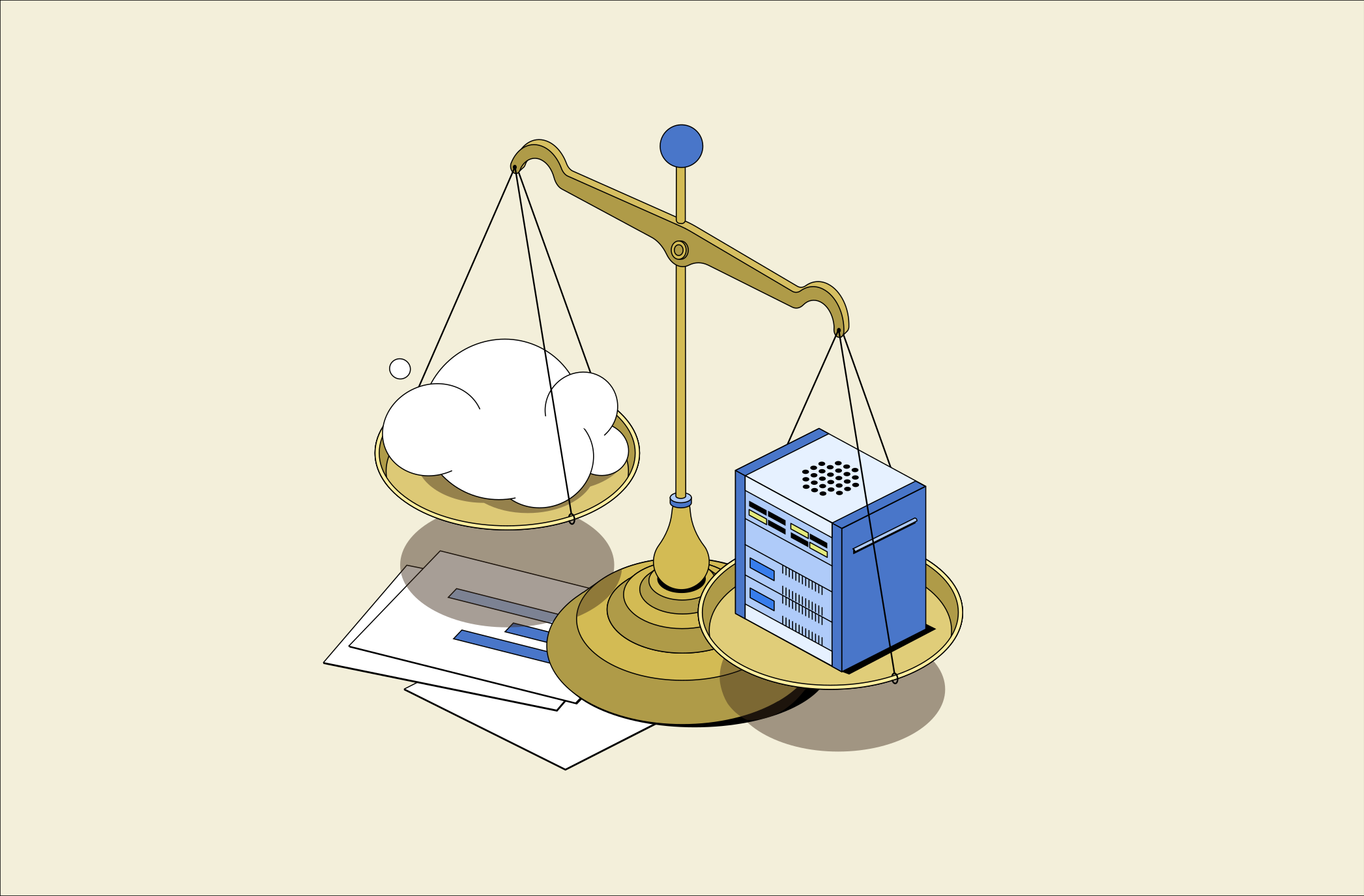
FedRAMP applies specifically to cloud-hosted systems. As a result, federal agencies typically consider DAM solutions through one of the following models:
For many agencies, on-premise DAM remains a practical option because it keeps all assets within federal infrastructure and outside the scope of cloud authorization requirements.
Although often mentioned together, FedRAMP and GovRAMP are not the same program.
Key differences include:
Understanding this distinction is essential when selecting DAM solutions across different levels of government.
DAM systems used in FedRAMP-regulated environments often manage:
DAM helps agencies keep these assets organized, searchable, and controlled while supporting long-term recordkeeping requirements.
Daminion supports federal organizations by offering on-premise and self-hosted deployment options that allow agencies to maintain full control over their infrastructure and digital assets.
This approach can be particularly suitable in FedRAMP-sensitive environments, where keeping assets within government-controlled systems reduces reliance on external cloud services.