Version control in Digital Asset Management (DAM) is the ability to track, manage, and organize different versions of the same file. When a digital asset is edited, updated, or revised, the system keeps a record of those changes instead of replacing the original.
Instead of asking, “Which file is the final one?” teams can see exactly how an asset evolved — and always access the correct version.
In simple terms, version control keeps your file history organized.
Creative and operational teams rarely work with static files. Designs change. Reports get updated. Product visuals are refined. Campaign assets go through multiple approvals.
Without structured revision tracking, teams often run into:
Version history eliminates this uncertainty.
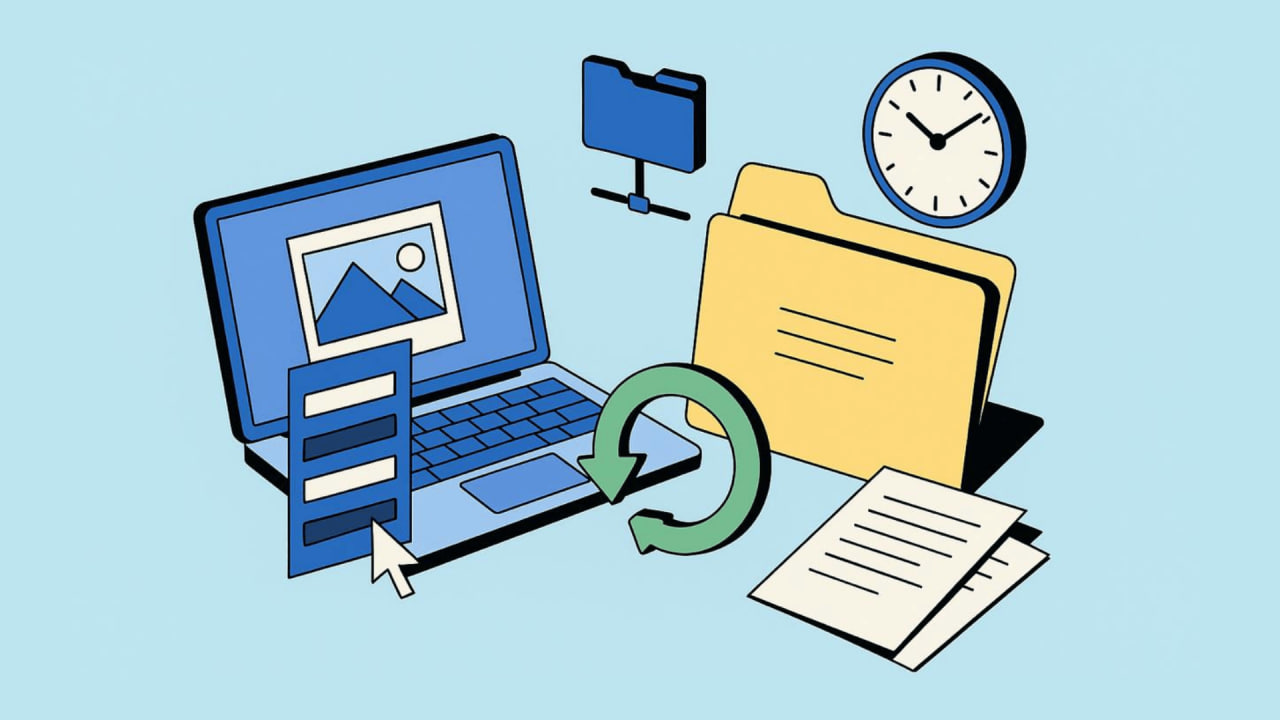
When someone uploads a new iteration of a file, the system links it to the existing asset instead of creating a completely separate record.
This allows teams to:
All versions remain connected, searchable, and clearly organized.
Without revision management, teams often save new edits as separate files in different folders.
That leads to:
Version control keeps everything tied to one asset record, reducing clutter and preventing errors.
Version tracking is especially important for:
Any team that edits files more than once benefits from structured revision history.
Daminion supports version management by linking file updates to a single asset record. Teams can track revisions, restore earlier files, and maintain clarity without creating duplicate assets.
This ensures digital libraries stay organized even as content evolves.