DAM for GovRAMP refers to using a Digital Asset Management (DAM) system in environments that must align with GovRAMP security and risk management requirements. GovRAMP provides a standardized framework for assessing the security of cloud solutions used by state, local, and education (SLED) government organizations in the United States.
For DAM, this means ensuring that digital assets—such as photos, videos, documents, and records—are managed in a way that supports security, access control, data protection, and operational transparency.
Government organizations manage sensitive and public-facing content at the same time. This includes communications, infrastructure documentation, inspection photos, public records, and historical archives.
GovRAMP-aligned DAM environments help agencies:
DAM becomes part of the broader risk and compliance landscape, not just a productivity tool.
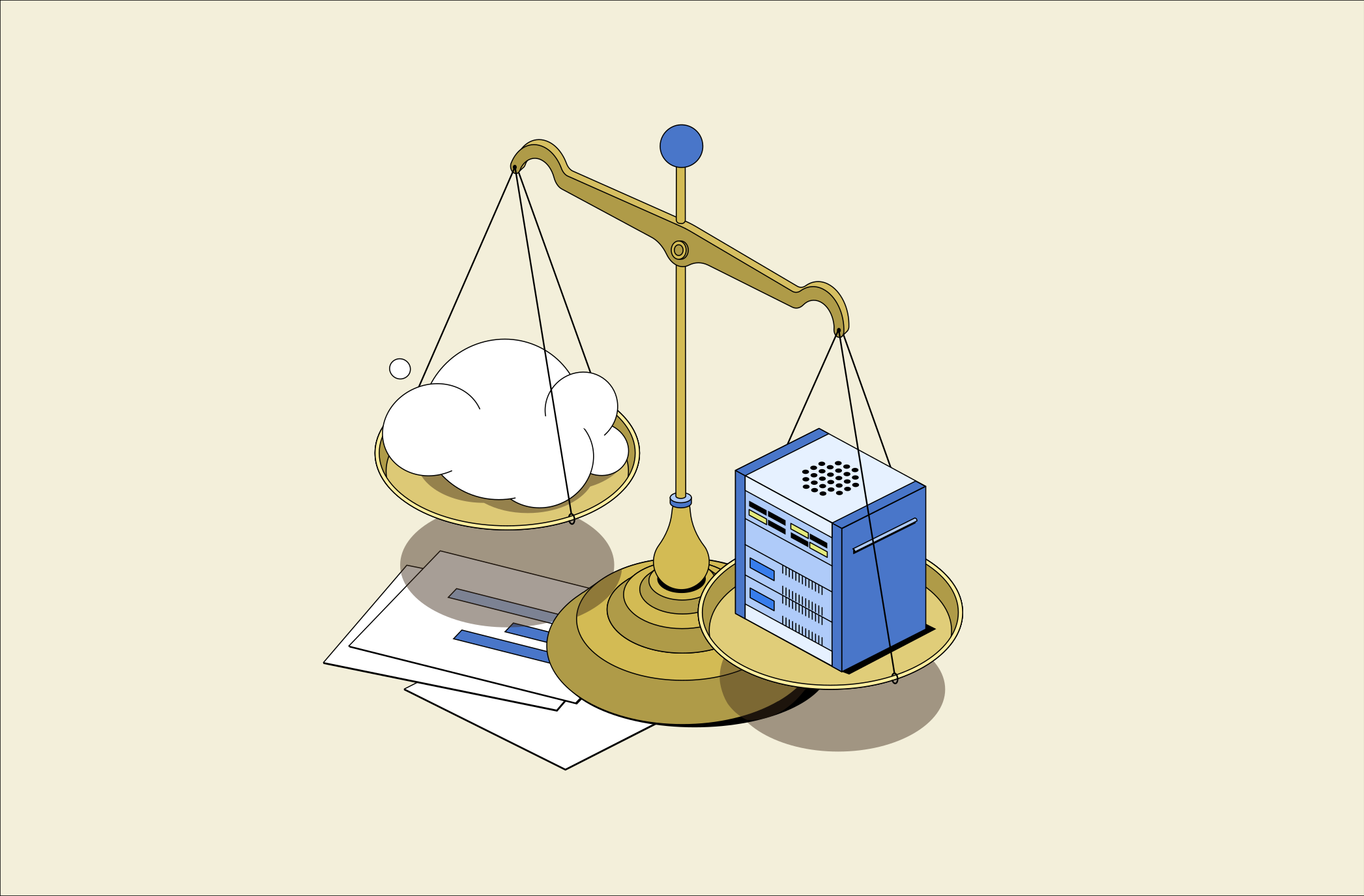
GovRAMP primarily applies to cloud-hosted systems. As a result, government organizations often evaluate DAM solutions based on how they are deployed.
Common approaches include:
For many agencies, on-premise DAM remains an attractive option because assets never leave government-controlled systems, reducing exposure and simplifying compliance considerations.
GovRAMP and FedRAMP are related but not the same.
Understanding this distinction is critical when selecting DAM solutions for different levels of government.
In GovRAMP-regulated environments, DAM systems are typically used to manage:
A DAM system helps agencies keep these assets organized, searchable, and controlled, while supporting internal policies and external compliance requirements.
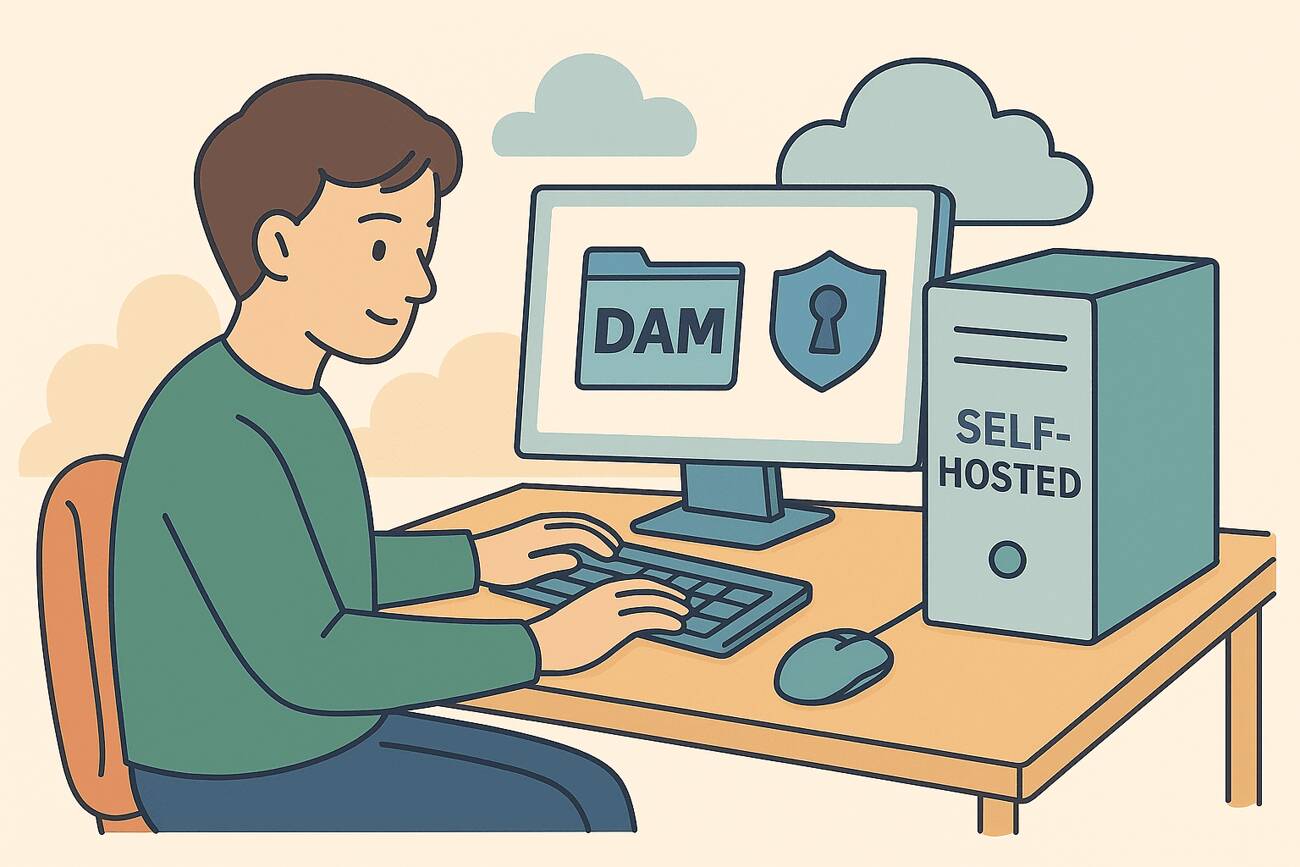
Daminion supports government organizations by offering flexible deployment options, including on-premise and self-hosted environments.
This allows agencies operating under GovRAMP considerations to maintain full control over their digital assets and infrastructure, while still benefiting from structured DAM functionality such as metadata, search, permissions, and long-term archiving.