October 9, 2025
Updated



Â
As a business owner, you understand the importance of creating a strong brand identity. Your brand is what sets you apart from your competitors and helps your customers remember who you are.
Nevertheless, when multiple team members are contributing content or marketing materials, brand consistency can be difficult. This is where a corporate design manual can come in handy. This article will cover ten key aspects of corporate design manuals. These can aid in the creation of a durable brand identity that remains consistent over time.
Let us start by defining corporate design manuals, also referred to as brand style guides or brand books. These manuals outline a company’s logo, color palette, typography, and graphics.
Corporate design manuals ensure brand consistency and effectiveness across all mediums. Maintaining consistency and strength in a brand is an essential aspect of brand management. A consistent and strong brand can help build trust and recognition with customers and other stakeholders.

A typical corporate design manual includes rules and guidance for using the company logo, such as specifying its size, placement, and color scheme. Additionally, it may provide instructions on the usage of specific fonts, typography styles, and color palettes. Moreover, it may provide guidance on the usage of images and other design elements, like patterns or icons.
Usually, a company’s marketing or design team collaborates with other key stakeholders to develop the corporate design manual. It serves as a reference for graphic designers, marketing professionals, and outside vendors who create visual communications on behalf of the company.
To summarize, a corporate design manual is an essential document that outlines the visual presentation of a company’s brand. By providing clear guidelines on the usage of logos, colors, fonts, and other design elements, a corporate design manual ensures that a company’s brand is consistently and effectively communicated across all channels.
A corporate design manual ensures your brand’s uniformity. Your brand should appear and feel the same across social media and print. Consistency builds trust and makes your brand easy to recognize.
Any organization that wants a consistent brand identity needs a corporate design manual. From business cards to websites and advertising campaigns, a corporate design manual ensures a company’s brand remains consistent.
Customers and stakeholders trust brands that are consistent. A corporation can ensure brand recognition and message clarity by following its corporate design manual.
Corporate design manuals also preserve brand equity. To stay relevant and appealing to customers, a growing firm may need to alter its brand. To prevent confusing or alienating clients, implement these changes strategically and consistently. A corporate design manual allows brand updates while keeping its fundamental features and visual character.
Corporate design manuals also save time and money. A corporation can reduce redesigns by setting clear criteria for logos, typefaces, colors, and other design aspects. This can save the company money on rebranding or fixing errors.
A corporate design manual ensures brand consistency, brand equity, and long-term cost savings.
Corporate identity comprises both the visual and non-visual elements of a company. These elements form the company’s image and differentiate it from its competitors.
A strong corporate identity can help a company establish a positive reputation, build brand recognition, and create a sense of trust with customers and stakeholders. A consistent and cohesive visual representation can enhance a company’s brand by emphasizing its corporate identity. Corporate style can achieve this effectively.
Corporate style can create a strong brand identity and differentiate companies from competitors. This approach emphasizes the use of a recognizable brand that speaks to the target audience.
Companies require brand style guides for ensuring consistency and clarity in all marketing and promotional materials. For companies with many employees or departments, this is crucial to ensure consistent representation of the brand. A brand style guide also helps to maintain a high standard of professionalism and attention to detail, which can help to build trust and credibility with customers and other stakeholders.
Also, having clear rules for visual design and messaging can make the creative process go more smoothly and save time and money in the long run. A well-made brand style guide can help a company build a strong and recognizable brand. Consistency in communications and marketing materials is ensured through the use of this tool.
Using a style guide is a good way to make sure that your branding and design are always the same. These include
In short, a style guide can help make sure that a company’s visual communications are consistent, efficient, collaborative, and safe.
Brand Guideline
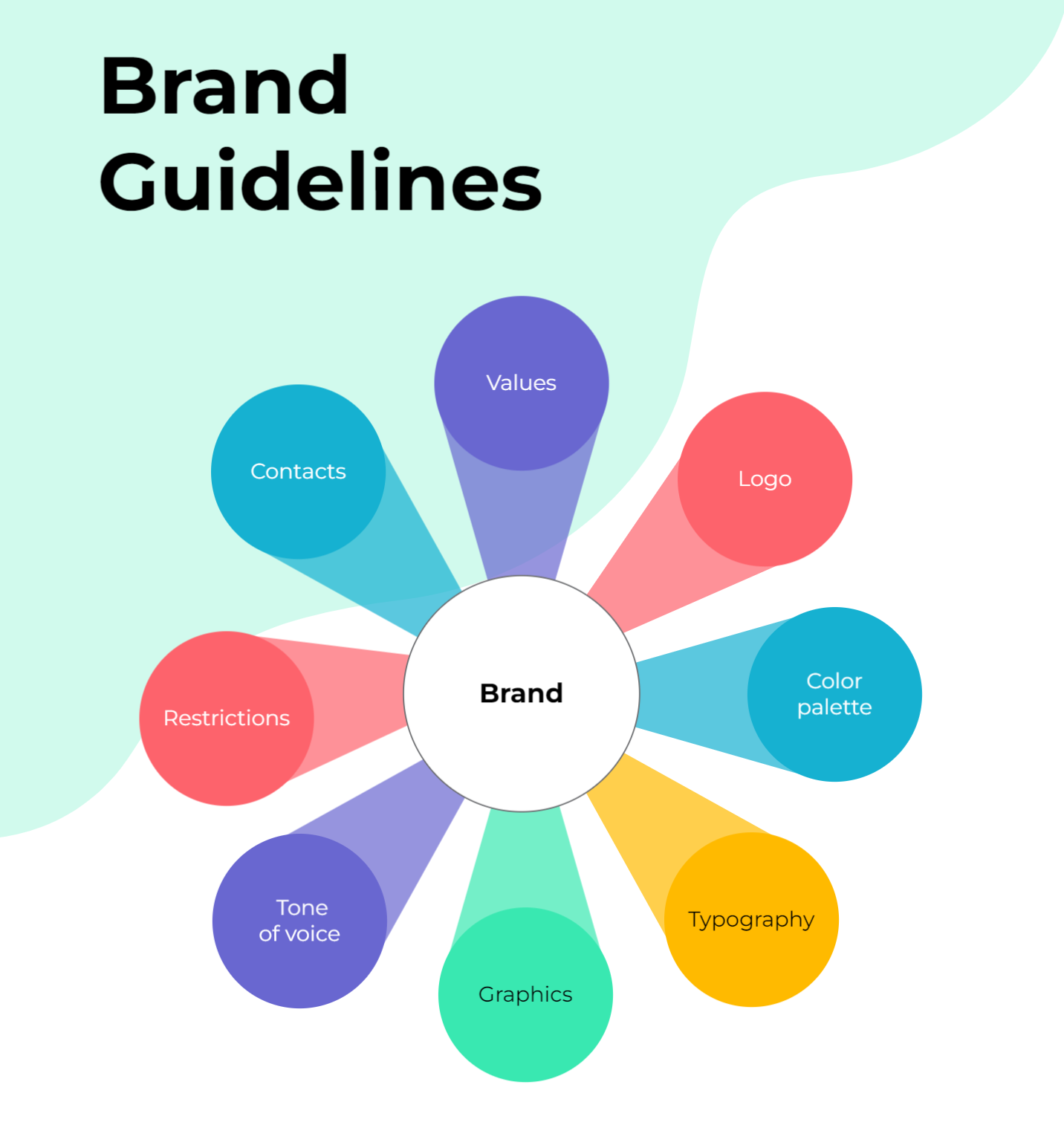
A style guide typically includes the following components:
The logo guidelines will explain how to use the logo, including how to change its size, placement, and colors. The typography guidelines will specify the font families, sizes, and styles to use for different types of communication. The color palette guidelines will include the specific colors that are part of the company’s brand identity and how to use them. The imagery guidelines will explain how to use photos, drawings, and other visual elements in the company’s communications.
In addition to visual elements, style guides also include guidelines for the company’s “tone of voice,” which refers to the language and writing style used in the company’s communications. This includes guidance on things like sentence structure, grammar, and the use of jargon or technical terms.
A company can ensure that all forms of communication present its brand in the same way by including these key elements in a style guide. This builds a strong and recognizable brand identity, and anyone who makes visual or written communications for the company can use the style guide as a reference. This helps maintain the brand’s consistent look and feel over time.
Putting together a corporate design manual is a big job that needs a lot of planning and attention to detail. The first step is to define the most important parts of your company’s brand identity, such as the logo, color palette, typefaces, and design elements. Once you decide on these key elements, you can start creating rules for their usage, such as determining where to place logos, which colors to use together, and what kind of fonts to use.
When making a corporate design manual, it’s important to include key stakeholders. This includes marketing professionals, graphic designers, and anyone else who is in charge of making visual communications for the company. Involving these people ensures that the design manual meets the needs and goals of the whole organization.
When making a corporate design manual, it’s also important to establish clear rules for how to present the brand in all channels and mediums, including print and digital media. This could include rules for how to use images, words, and other design elements to make sure the brand identity is consistent and flows well.
Once your corporate design manual is done, you should give it to everyone who needs it, like employees, contractors, and vendors. By making the design manual easy for everyone to find, you can help make sure that your company’s brand is shown well and consistently in all communications.
In the end, making a corporate design manual is a long process that requires careful planning, attention to detail, and cooperation between the people who matter most. A corporate design manual can help your company build a strong, recognizable brand identity by setting clear rules for how to use key brand elements and making sure those rules are always followed across all channels and mediums.
When using a corporate design manual, it’s important to keep the following in mind to make sure your brand is presented consistently and well:
Follow the corporate design manual to ensure your visual communications match the company’s brand and messaging. This can help customers and other stakeholders trust and recognize the company.
Following a corporate design manual’s principles and rules ensures that visual communications match the company’s brand and message. However, managing and organizing corporate design materials can be a challenge, especially for businesses with remote teams or multiple offices.Â
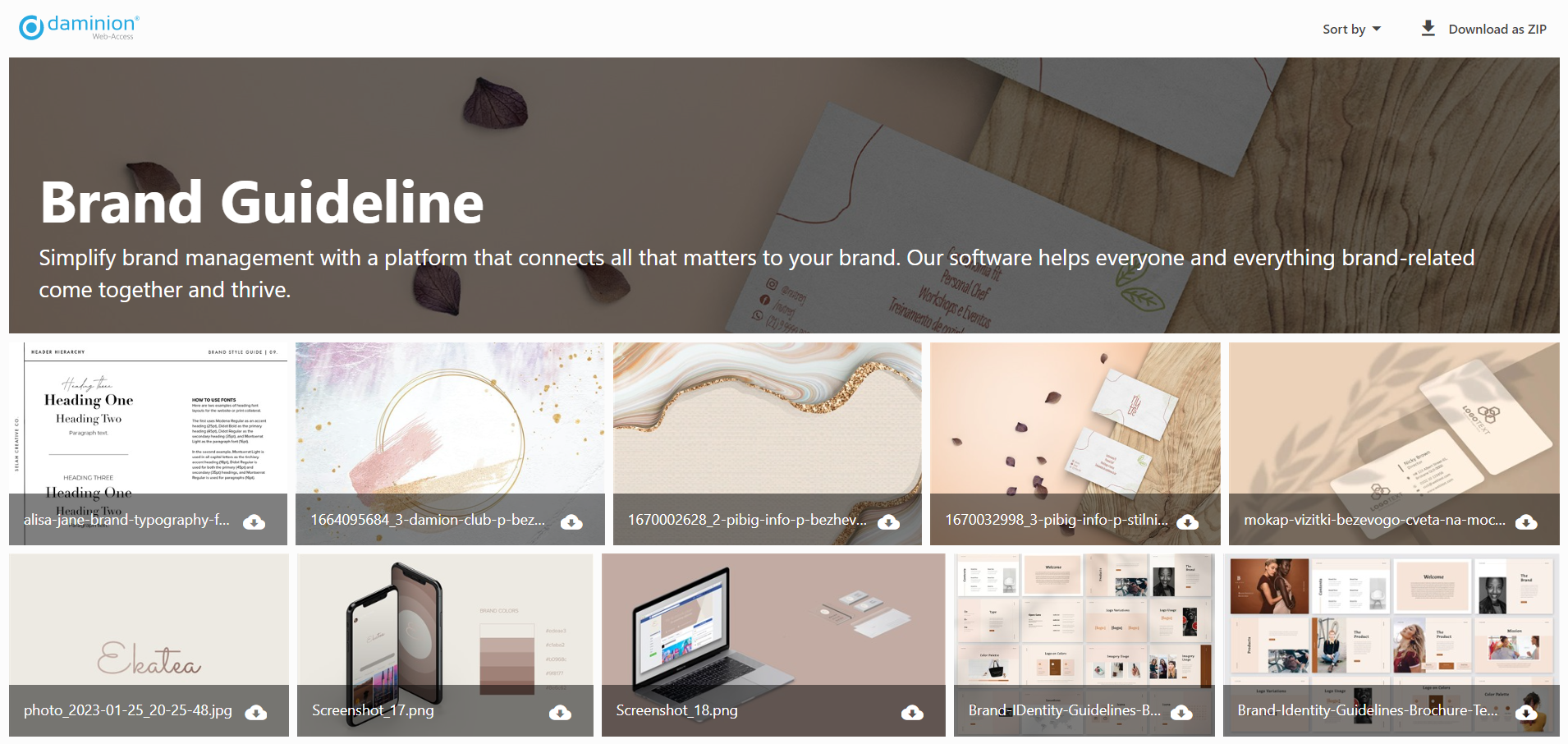
This is where Digital Asset Management (DAM) systems come in. Businesses can organize, store, and distribute logos, style guides, and design elements utilizing a DAM system. DAM systems may also inform you how to use each asset to maintain brand consistency across marketing and branding materials.
Designers and others may identify design elements faster and collaborate with corporate design assets simpler with a DAM system.
DAM can assist companies to manage their digital assets, including corporate design materials. A DAM system can help companies organize, store, and share brand materials like logos, style guides, and design elements in a more efficient way.
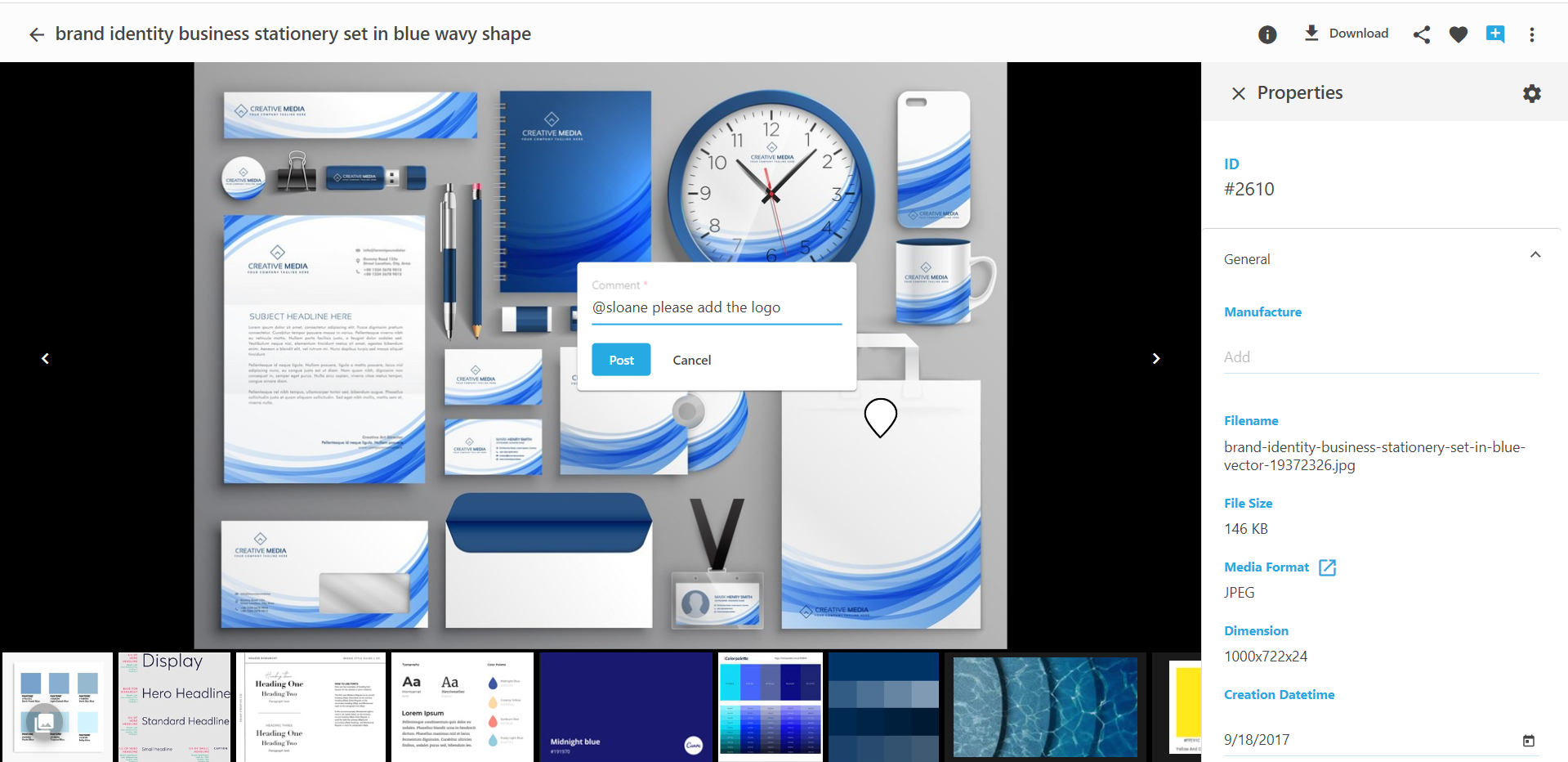
In conclusion, using a DAM system can make it easier for businesses to work with their corporate design assets. By simplifying organization, storage, and distribution, businesses may save time and maintain brand consistency.
As a business owner, you understand the importance of creating a strong brand identity. Your brand is what sets you apart from your competitors and helps your customers remember who you are.
Nevertheless, when multiple team members are contributing content or marketing materials, brand consistency can be difficult. This is where a corporate design manual can come in handy. This article will cover ten key aspects of corporate design manuals. These can aid in the creation of a durable brand identity that remains consistent over time.
To begin with, let us start by defining corporate design manuals, also referred to as brand style guides or brand books. These manuals outline a company’s logo, color palette, typography, and graphics.
Corporate design manuals ensure brand consistency and effectiveness across all mediums. Maintaining consistency and strength in a brand is an essential aspect of brand management. A consistent and strong brand can help build trust and recognition with customers and other stakeholders.
Furthermore, a typical corporate design manual includes rules and guidance for using the company logo, such as specifying its size, placement, and color scheme. In addition, it may provide instructions on the usage of specific fonts, typography styles, and color palettes. Additionally, it may provide guidance on the usage of images and other design elements, like patterns or icons.
Usually, a company’s marketing or design team collaborates with other key stakeholders to develop the corporate design manual. It serves as a reference for graphic designers, marketing professionals, and outside vendors who create visual communications on behalf of the company.
To summarize, a corporate design manual is an essential document that outlines the visual presentation of a company’s brand. By providing clear guidelines on the usage of logos, colors, fonts, and other design elements, a corporate design manual ensures that a company’s brand is consistently and effectively communicated across all channels.
A corporate design manual ensures your brand’s uniformity. Your brand should appear and feel the same across social media and print. Consistency builds trust and makes your brand easy to recognize.
Any organization that wants a consistent brand identity needs a corporate design manual. From business cards to websites and advertising campaigns, a corporate design manual ensures a company’s brand remains consistent.
Customers and stakeholders trust brands that are consistent. A corporation can ensure brand recognition and message clarity by following its corporate design manual.
Corporate design manuals also preserve brand equity. To stay relevant and appealing to customers, a growing firm may need to alter its brand. To prevent confusing or alienating clients, implement these changes strategically and consistently. A corporate design manual allows brand updates while keeping its fundamental features and visual character.
Corporate design manuals also save time and money. A corporation can reduce redesigns by setting clear criteria for logos, typefaces, colors, and other design aspects. This can save the company money on rebranding or fixing errors.
A corporate design manual ensures brand consistency, brand equity, and long-term cost savings.
Corporate identity comprises both the visual and non-visual elements of a company. These elements form the company’s image and differentiate it from its competitors.
A strong corporate identity can help a company establish a positive reputation, build brand recognition, and create a sense of trust with customers and stakeholders. A consistent and cohesive visual representation can enhance a company’s brand by emphasizing its corporate identity. Corporate style can achieve this effectively.
Corporate style can create a strong brand identity and differentiate companies from competitors. This approach emphasizes the use of a recognizable brand that speaks to the target audience.
Companies require brand style guides for ensuring consistency and clarity in all marketing and promotional materials. For companies with many employees or departments, this is crucial to ensure consistent representation of the brand. A brand style guide also helps to maintain a high standard of professionalism and attention to detail, which can help to build trust and credibility with customers and other stakeholders.
Also, having clear rules for visual design and messaging can make the creative process go more smoothly and save time and money in the long run. A well-made brand style guide can help a company build a strong and recognizable brand. Consistency in communications and marketing materials is ensured through the use of this tool.
Using a style guide is a good way to make sure that your branding and design are always the same. These include
In short, a style guide can help make sure that a company’s visual communications are consistent, efficient, collaborative, and safe.
A style guide typically includes the following components:
The logo guidelines will explain how to use the logo, including how to change its size, placement, and colors. The typography guidelines will specify the font families, sizes, and styles to use for different types of communication. The color palette guidelines will include the specific colors that are part of the company’s brand identity and how to use them. The imagery guidelines will explain how to use photos, drawings, and other visual elements in the company’s communications.
In addition to visual elements, style guides also include guidelines for the company’s “tone of voice,” which refers to the language and writing style used in the company’s communications. This includes guidance on things like sentence structure, grammar, and the use of jargon or technical terms.
A company can ensure that all forms of communication present its brand in the same way by including these key elements in a style guide. This builds a strong and recognizable brand identity, and anyone who makes visual or written communications for the company can use the style guide as a reference. This helps maintain the brand’s consistent look and feel over time.
Putting together a corporate design manual is a big job that needs a lot of planning and attention to detail. The first step is to define the most important parts of your company’s brand identity, such as the logo, color palette, typefaces, and design elements. Once you decide on these key elements, you can start creating rules for their usage, such as determining where to place logos, which colors to use together, and what kind of fonts to use.
When making a corporate design manual, it’s important to include key stakeholders. This includes marketing professionals, graphic designers, and anyone else who is in charge of making visual communications for the company. Involving these people ensures that the design manual meets the needs and goals of the whole organization.
When making a corporate design manual, it’s also important to establish clear rules for how to present the brand in all channels and mediums, including print and digital media. This could include rules for how to use images, words, and other design elements to make sure the brand identity is consistent and flows well.
Once your corporate design manual is done, you should give it to everyone who needs it, like employees, contractors, and vendors. By making the design manual easy for everyone to find, you can help make sure that your company’s brand is shown well and consistently in all communications.
In the end, making a corporate design manual is a long process that requires careful planning, attention to detail, and cooperation between the people who matter most. A corporate design manual can help your company build a strong, recognizable brand identity by setting clear rules for how to use key brand elements and making sure those rules are always followed across all channels and mediums.
When using a corporate design manual, it’s important to keep the following in mind to make sure your brand is presented consistently and well:
Follow the corporate design manual to ensure your visual communications match the company’s brand and messaging. This can help customers and other stakeholders trust and recognize the company.
Admittedly, following a corporate design manual’s principles and rules ensures that visual communications match the company’s brand and message. Nevertheless, managing and organizing corporate design materials can be a challenge, especially for businesses with remote teams or multiple offices.
This is where Digital Asset Management (DAM) systems come in. Businesses can organize, store, and distribute logos, style guides, and design elements utilizing a DAM system. DAM systems may also inform you how to use each asset to maintain brand consistency across marketing and branding materials.
Designers and others may identify design elements faster and collaborate with corporate design assets simpler with a DAM system.
DAM can assist companies to manage their digital assets, including corporate design materials. A DAM system can help companies organize, store, and share brand materials like logos, style guides, and design elements in a more efficient way.
Furthermore, using a DAM system can make it easier for businesses to work with their corporate design assets. By simplifying organization, storage, and distribution, businesses may save time and maintain brand consistency.