September 21, 2026
Updated


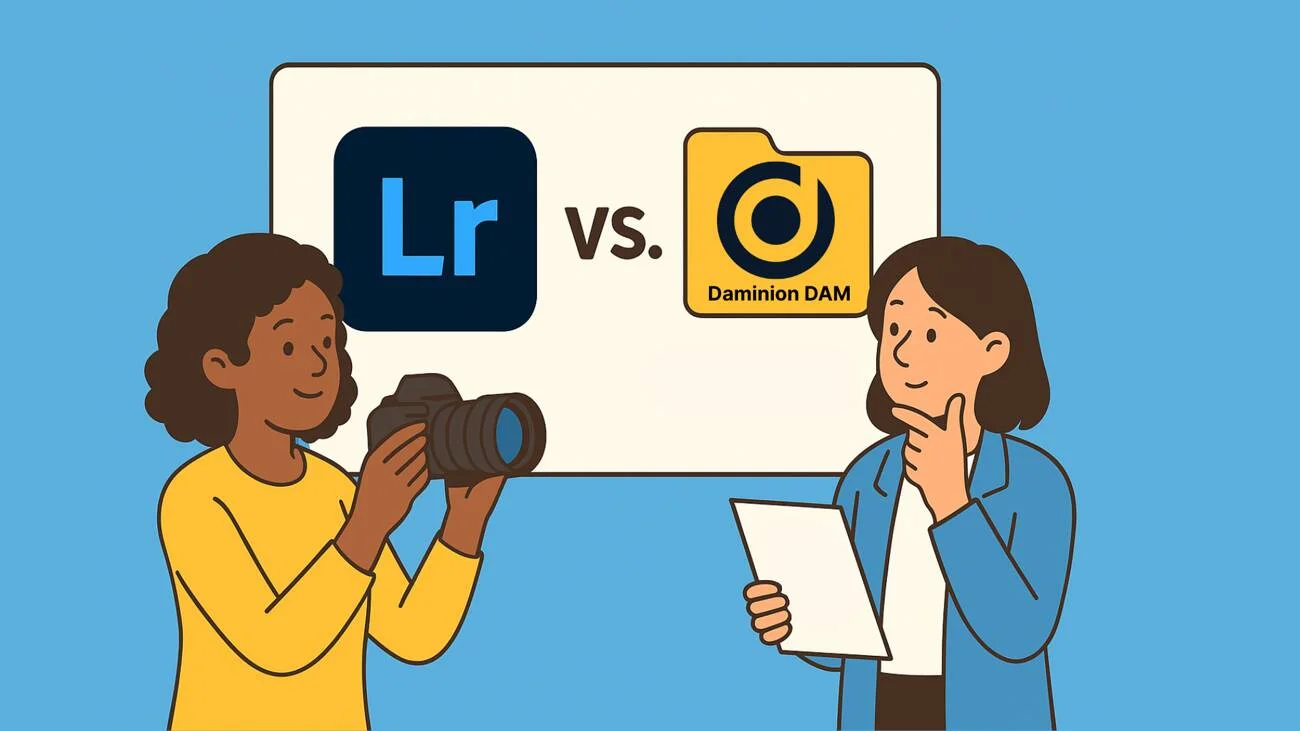
Digital photography is a tough market to disrupt. It isn’t accidental that Lightroom has been an absolutely essential tool in the industry for almost two decades. Great lightbox and editing tools, high-quality processing, and an entire ecosystem of services and products surrounding it make Lightroom’s position unshakeable.
And yet, growing teams have been considering digital asset management (DAM) solutions for quite some time now. Why?
Lightroom’s power comes with constraints: it has been designed for solo photographers, still experiences performance issues when handling large catalogs of photos, and is unlikely to ever support file formats beyond photos and videos. But the world is not what it was in 2006. There’s always more data to manage, more types of data, and more collaboration happening.
To Adobe’s credit, they are trying to shift the gears towards more collaborative multi-user workflows. So, let’s discuss where Lightroom stands today and how DAM solutions like Daminion help teams manage complex projects without abandoning the digital photography tool they’ve grown to rely on.

Before we compare DAM and Adobe Lightroom for managing assets, let’s take a deeper dive into Lightroom, because some specifics are critical to get right.
The program is available in two editions: Classic and Cloud. Here are the main changes between them that affect the management of assets and collaboration.
Now that we have established the pros and cons between Classic and Cloud for management and collaboration, let’s discuss how Lightroom fits into a larger picture.
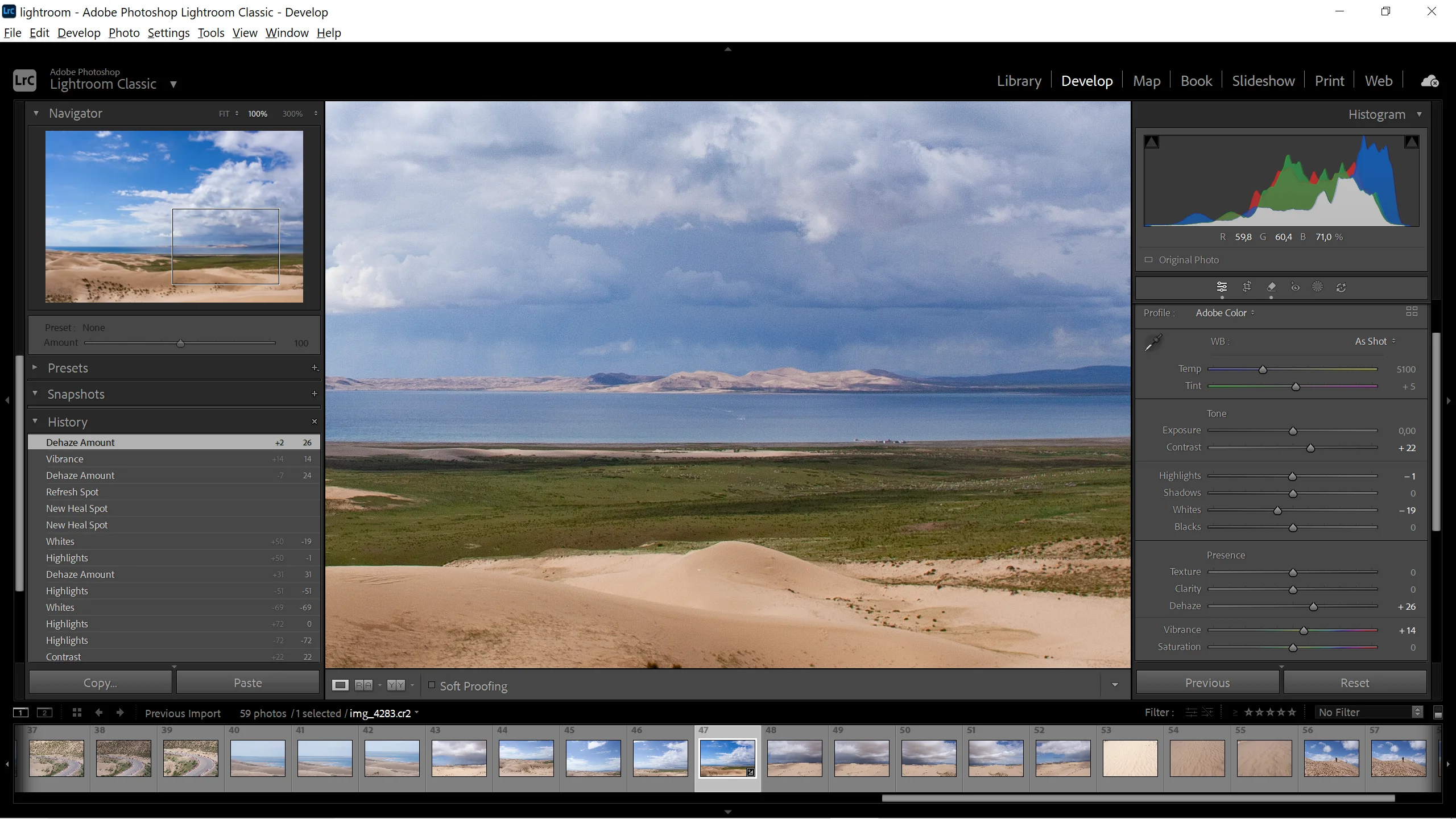
Lightroom was designed as a digital photography workflow tool rather than a glorified image editor. Let’s take a look at its overall advantages and disadvantages.
Pros:
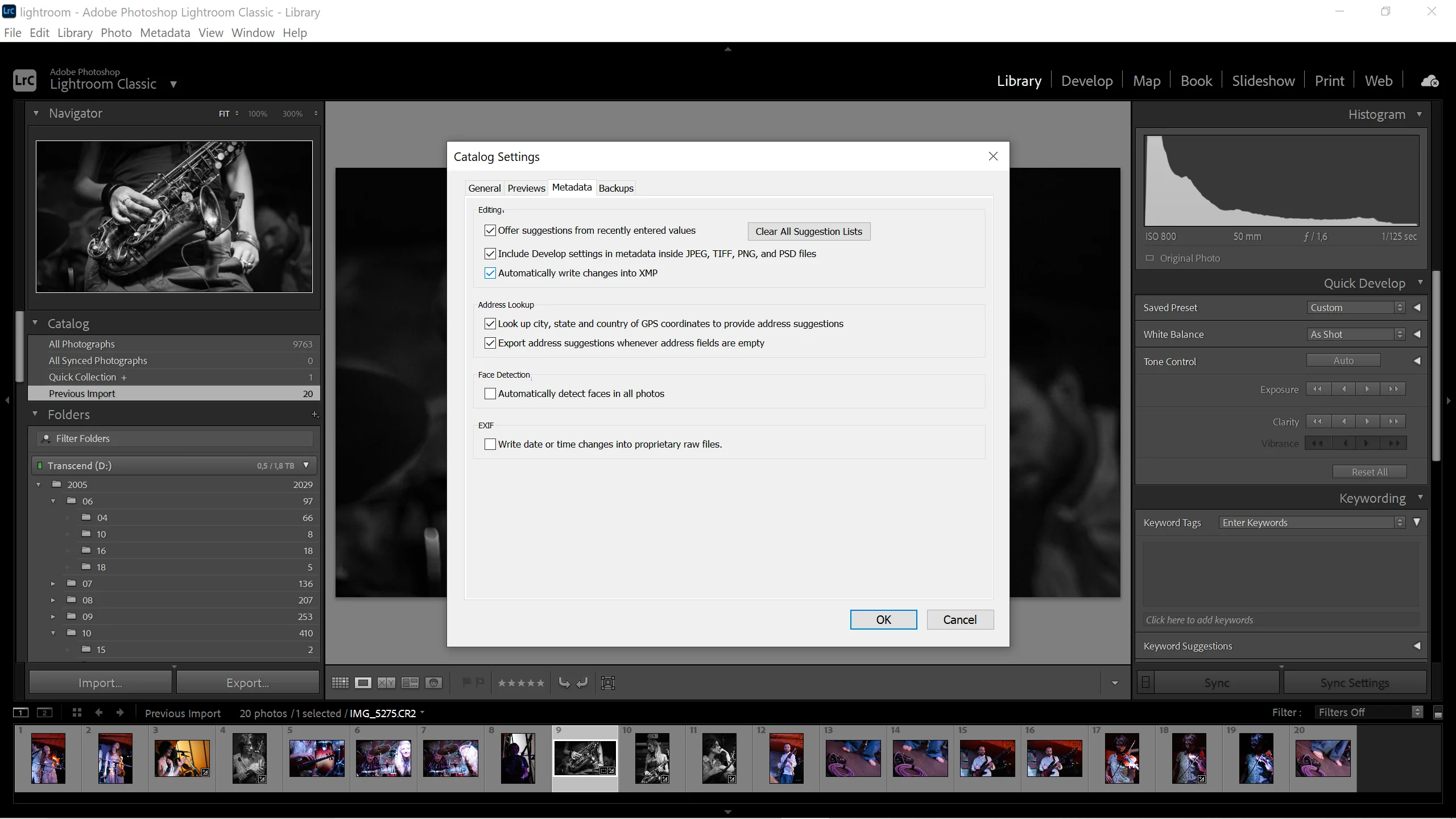
Cons:
Some of these disadvantages can be worked around, others can easily become a showstopper.
Lightroom quickly begins to show its limitations when several people need to access a photoshoot and suggest or make changes.
In a nutshell, as a photo management solution, Classic is good for solo work and challenging for teams, while Cloud is semi-decent for teams but lacks the advanced features of Classic. Neither version is designed for handling more than images and videos. This makes Lightroom an overall counterproductive choice for growing, collaborative teams that handle a variety of file formats.

The job of digital asset management (DAM) solutions is to make files easily accessible for teams and help establish productive workflows. If you ever dived into a fine mess of confusingly named versions and duplicates spread across emails, network drives, external USB drives, and cloud storage folders, you definitely know why this is a big deal.
Here is a quick use case.
Let’s say you are an architectural bureau. Your new residential home project will have location photos, geospatial data from the local planning authority, design references, concept sketches, 3D massing models, site plans, spreadsheets with preliminary cost estimates, floor plans and complete CAD designs including electrical, plumbing, and HVAC systems, architectural visualizations and related assets, material specifications and construction phase field reports, and the list goes on and on (and on).
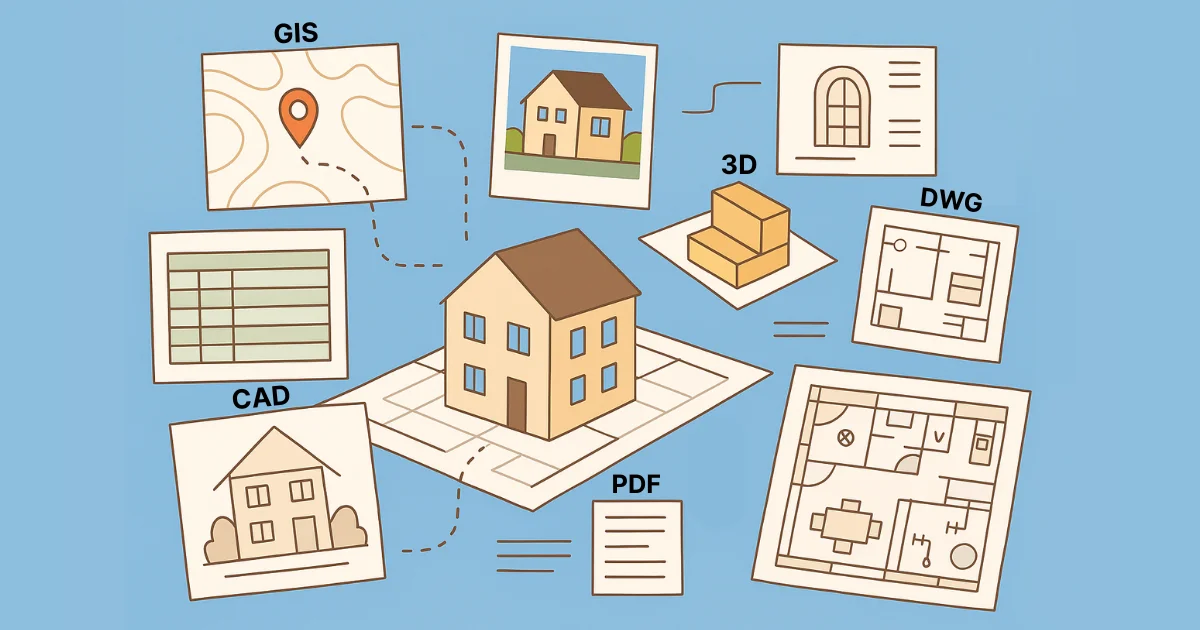
All this involves dozens of collaborators who use very specific tools, iterate on designs and documents, and only need access to certain parts of the entire project. There is simply no tool other than a DAM solution that can handle the diversity of file formats and the complexity of version control involved in such a project.
💡 Curious to know more about what Digital Asset Management actually is? Check out our earlier article.
Let’s outline major differences between a typical DAM solution and Adobe Lightroom when it comes to managing assets.
If DAM is the way to go, which one? And will it be necessary to drop Lightroom for asset management entirely?
First, a brief walk down the memory lane. We launched Daminion in 2003, aiming at photographers and other creative professionals. Three years later, when Lightroom was released, we recognized the new application’s potential and implemented several changes to make the integration between the two products smoother.
In particular, we adjusted the user interface of Daminion to be more in line with that of Lightroom and added support for reading and writing its metadata.
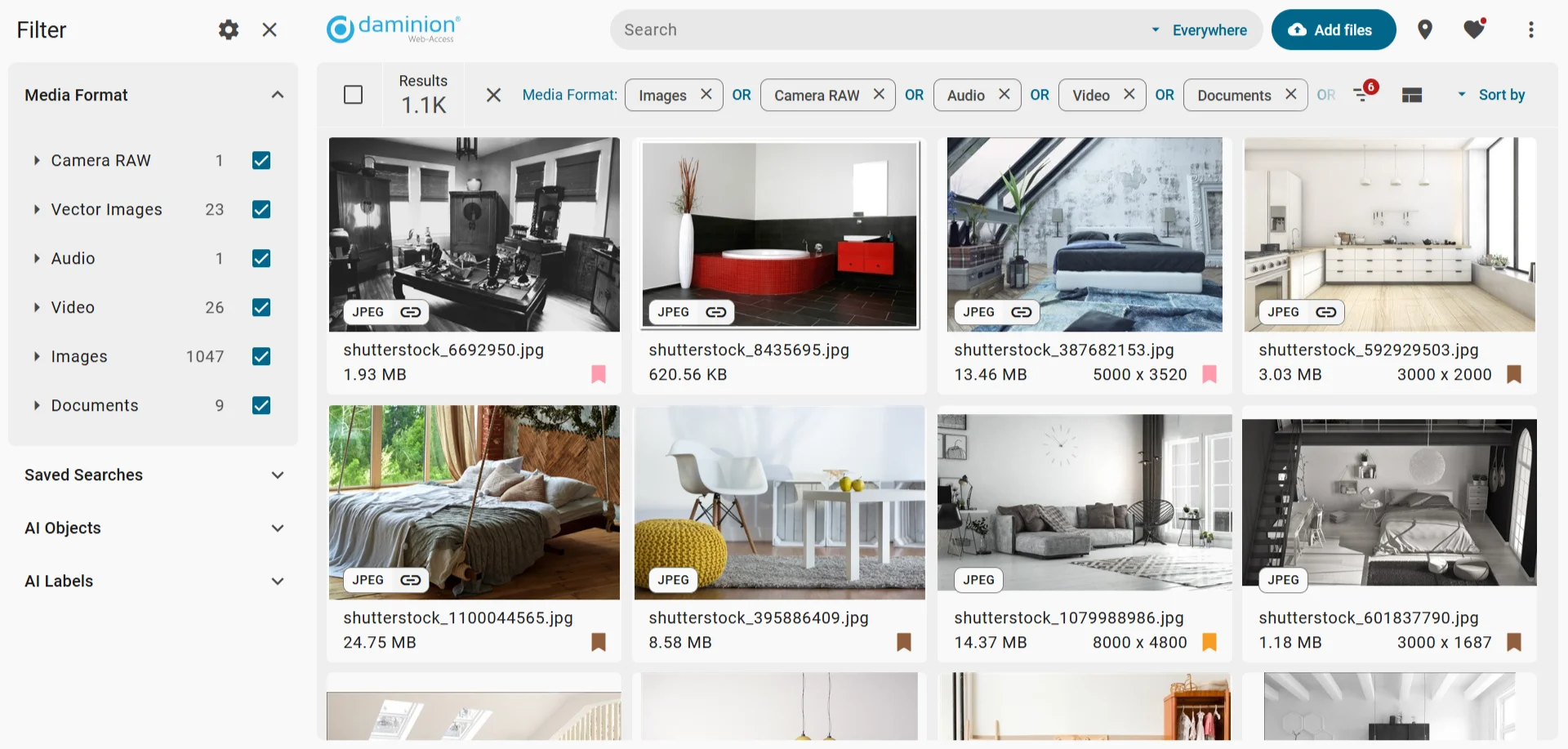
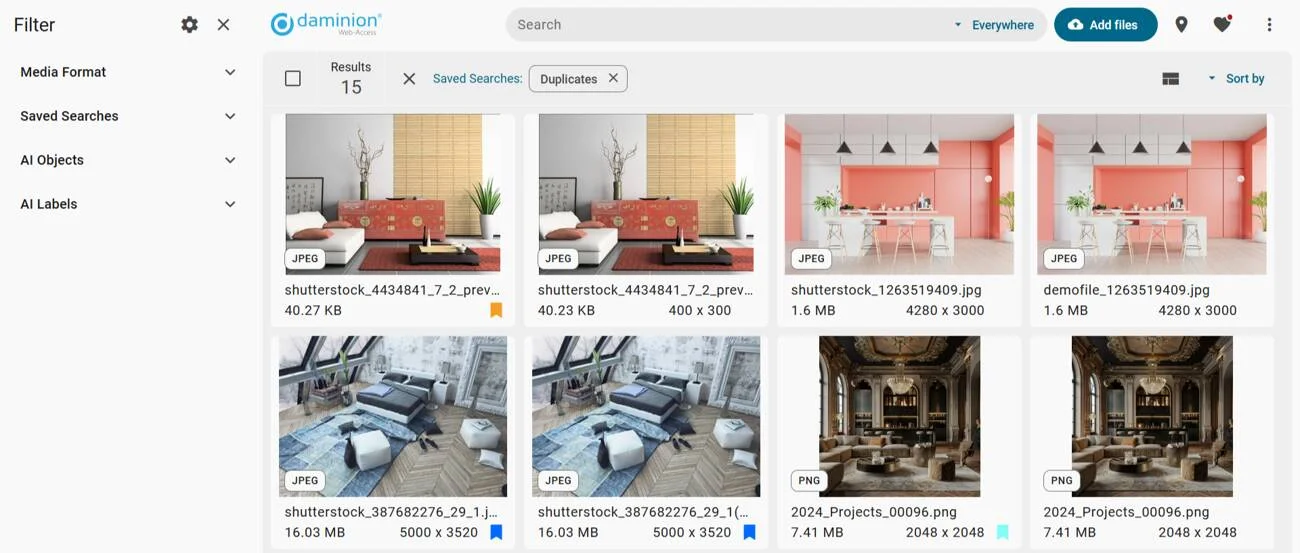
We have been fleshing this out ever since. And because we focus on managing digital assets rather than editing them, Daminion excels where Lightroom underperforms:
All that boils down to this simple fact: Daminion and Lightroom are not rivals. Rather, they complement each other to give their users a competitive edge.
Absolutely! This combination is great for creative teams that need both powerful image editing features and centralized, multi-user access to assets.
Let’s break down a typical workflow that involves both solutions.
You’ll notice that at the second step, Daminion uses XMP metadata created by Lightroom. Here is what it means. Daminion reads keywords, licensing metadata, information about the creator, date/time when the photos were taken, and color labels from the XMP files that accompany original RAW files. Once Daminion extracts this information, it stores it in its own database.
Now anyone on your team can search for these photos and see them in the browser, provided they have sufficient privileges. And when the AI tool completes its task, there are even more keywords that accurately describe the photos.
The thing that makes Daminion special here is that it supports Lightroom’s non-standard way of writing keyword metadata to XMP. So the system will read keyword hierarchy from XMP and map it to its own hierarchy.
Then once you enrich the keywords with AI keywords, Daminion will save the changes back to XMP exactly the way Lightroom writes it. So anyone opening the same photos in Lightroom will see the AI tags that Daminion added. Essentially, you are getting a rock-solid two-way integration between the applications.
Here are the main reasons you should consider trying Daminion:
Lightroom excels for solo photographers and small teams that need seamless integration between cataloging and editing. If you can either handle the complexity of syncing between devices with Lightroom Classic or eat the cost of the annual Cloud subscription, you probably don’t need to look elsewhere.
However, if you are a growing team that undertakes complex projects and needs to manage a great variety of file formats, DAM will be a far better choice for you.
Daminion offers the best of both worlds: advanced asset management and collaboration features, familiar UI for Lightroom users, and two-way integration with Lightroom via XMP files. This DAM solution also works in a private cloud, which makes it a secure choice for teams that must comply with strict internal policies and government regulations.
Request a demo today to see how Daminion can transform your digital asset management workflow!