July 22, 2026
Updated




Marketers are often told that their skills are transferable. The channels may look familiar, but the audience, purchasing process, level of risk, and definition of success can change completely. Selling a dress and marketing reinforcement steel are both marketing challenges – but they are not the same challenge.
Mehana Nazar learned this firsthand. After beginning her career in B2C marketing, she deliberately moved into industrial B2B marketing within the construction materials sector where she gained experience combining traditional outreach, digital campaigns, technical communication, and AI-assisted research.
Today, she applies the lessons from both B2C and B2B marketing as the founder of Tashwiq Media, her own marketing agency.
Her experience is not a story about applying the same marketing formula to a different product. It is about entering an industry she did not yet understand, learning how its market operated, and rebuilding her approach around the realities of its customers.
What follows are the lessons she gathered along the way – not by copying what had worked before, but by learning a new industry from the ground up.

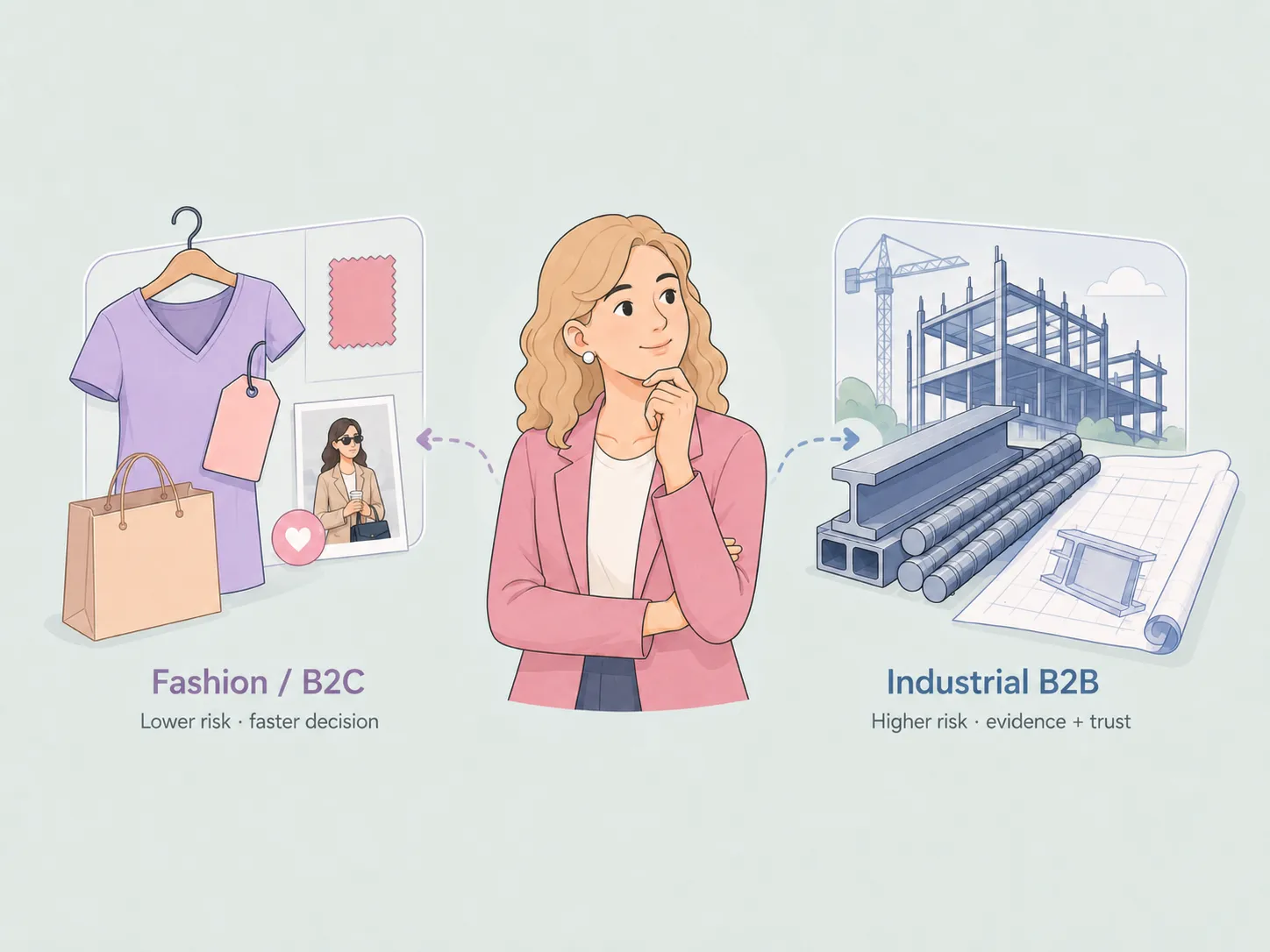
Moving from B2C to B2B was never going to be a simple product change. Mehana describes the difference through one essential factor: purchasing risk.
A consumer fashion purchase might involve a few hundred dirhams and a relatively quick decision. An industrial construction purchase can involve significantly larger budgets, technical requirements, multiple decision-makers, and long-term consequences.
Industrial buyers are not only evaluating the appearance or price of a product. They need evidence of reliability, compliance with relevant standards, consistent quality, technical suitability, delivery capability, and confidence in the business behind the product.
This creates a slower and more considered purchasing process. Marketing must support that process by building credibility and providing useful information rather than depending primarily on impulse or emotional appeal.
Mehana did not expect her previous B2C tactics to work without adjustment. In fact, she chose to enter an unfamiliar industry partly because she wanted to test the limits of what she already knew.

That realization shaped her approach. Instead of simply adapting B2C campaigns for the building construction materials sector, she started learning how the building construction and industrial markets actually operated.
She read industry-specific news, followed specialist platforms, observed market movements, studied how technical products were presented, asked colleagues questions, and spoke directly with people who understood the market.
The experience taught her that transferable marketing knowledge is only the starting point. The marketer must still understand the customer's priorities, level of risk, decision-making process, and expectations.
Mehana entered industrial marketing without a background in manufacturing or civil engineering. The learning curve was steep.
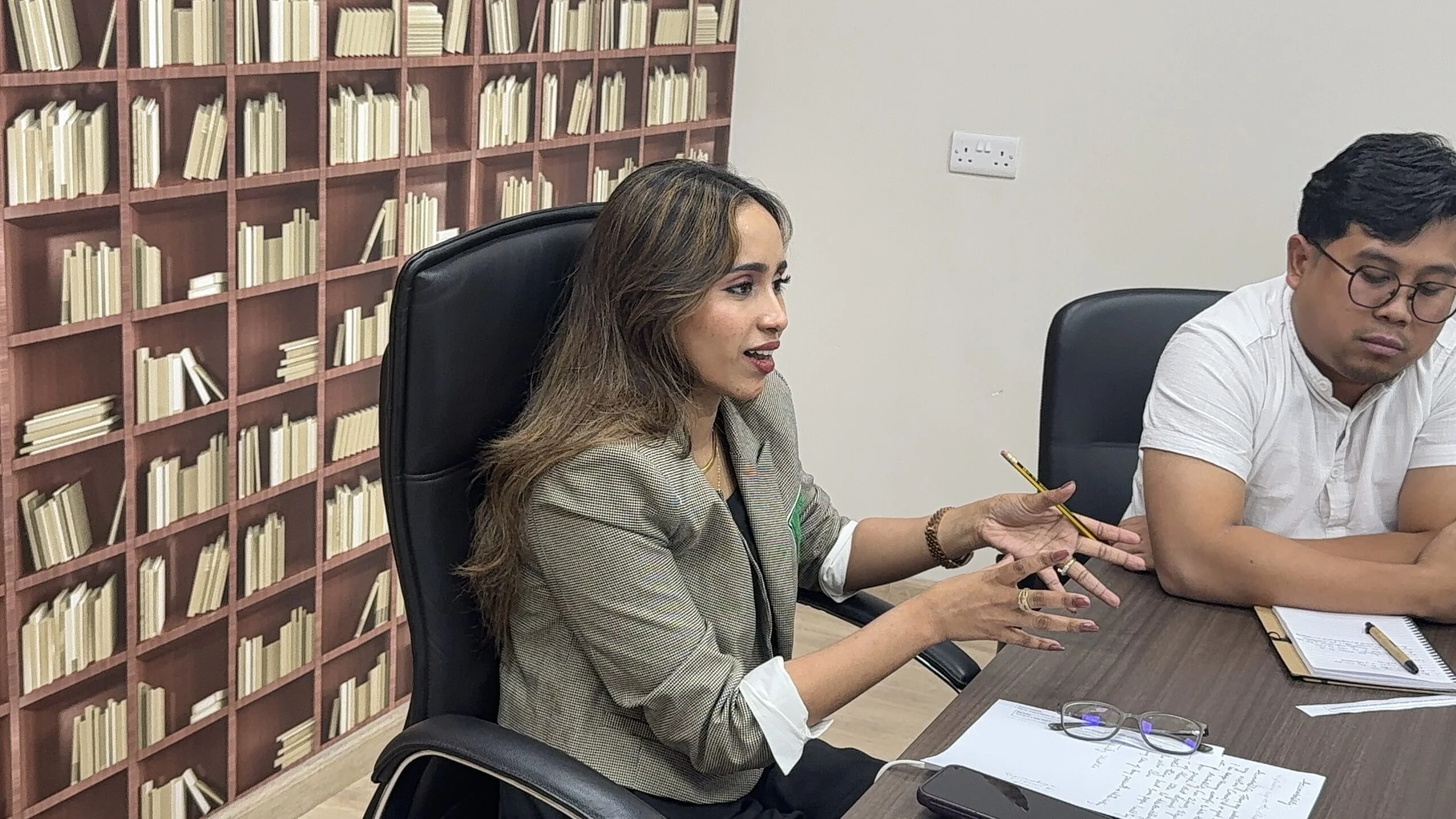
She had to become comfortable asking questions about measurements, manufacturing processes, product applications, certification requirements, quality standards, technical terminology, and the concerns of people working in the industry.
Some of those questions were basic, but asking them was necessary. Without understanding the subject, she could not communicate it responsibly.
Support from experienced colleagues and technical professionals made the transition more manageable. People shared relevant industry information, explained unfamiliar concepts, and helped her understand how different departments viewed the same product.
Direct, one-to-one conversations were particularly valuable. When people saw that she was genuinely trying to learn, they were generally willing to explain.
That willingness to ask questions became part of her professional method.
A technical marketer does not need to replace the engineer, manufacturer, salesperson, or compliance specialist. However, the marketer must understand enough to translate their knowledge into communication that customers can understand and act upon.
This translation requires more than simplifying technical language. It also requires knowing which details matter to each audience. A quality engineer, procurement professional, contractor, consultant, and general business audience may each need a different explanation of the same subject.
One of Mehana's strongest convictions is that industrial B2B marketing should not be treated as a choice between traditional and digital methods.
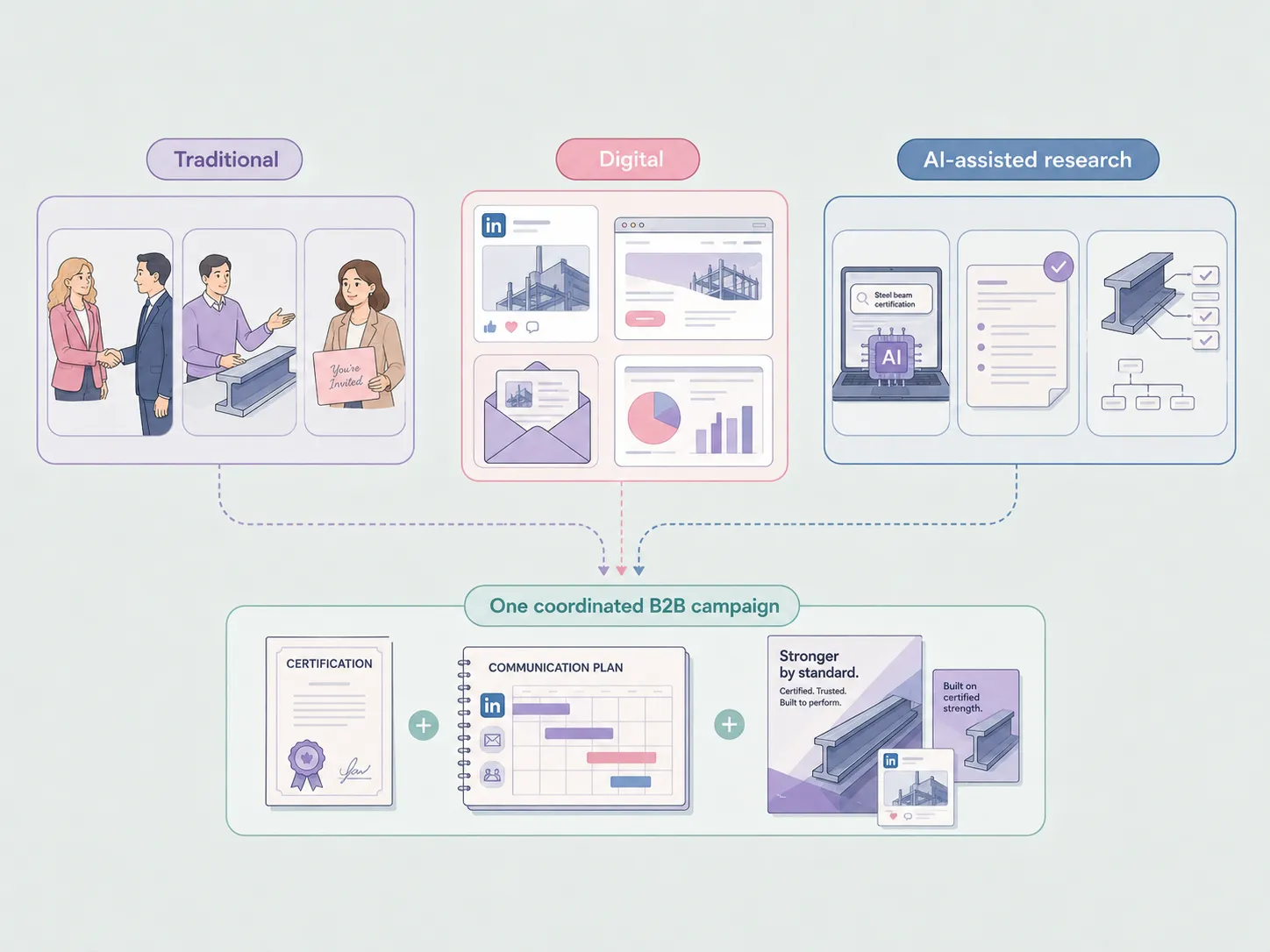
The most effective approach can combine three areas: traditional relationship-building, digital communication, and AI-assisted research and analysis.
Traditional marketing remains highly relevant in industrial sectors. Personal meetings, sales conversations, professional networks, client invitations, industry events, product demonstrations, referrals, and long-term relationship management continue to influence purchasing decisions.
These are markets where trust often develops through repeated interaction rather than through a single advertisement.
Digital marketing can extend and support those relationships. LinkedIn, Google Ads, email communication, SMS campaigns, website content, public relations, educational posts, landing pages, and other digital channels can help a company reach the right audience and guide attention towards action.
AI tools can then support the research, data analysis, and preparation behind both traditional and digital activities.
During one specialized technical campaign, Mehana had to understand the importance and commercial relevance of a quality compliance certificate before communicating it externally. This required studying the subject, clarifying the terminology, understanding why the relevant standards mattered, and deciding how the information should be explained to different audiences.
Developing specialized AI agents helped her with the initial research and to understand unfamiliar concepts and specific technical areas. However, the final communication still depended on human clarification, internal expertise, audience knowledge, and careful verification.
The final approach brought together technical learning, direct communication, digital content, research support, and ongoing relationship management.
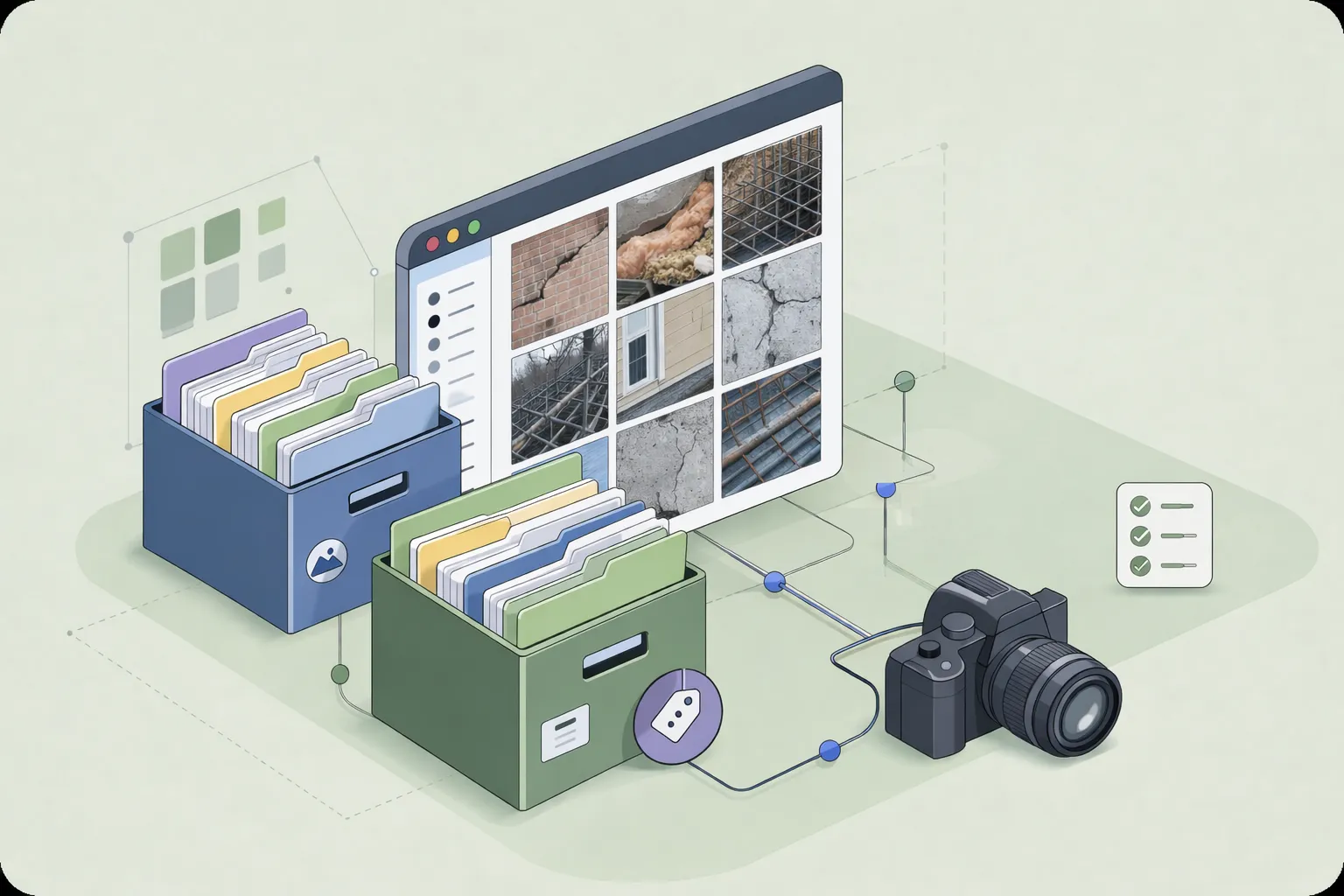
When campaigns operate across several channels, organization also becomes important. A shared and searchable library of approved images, documents, technical references, and campaign materials can prevent teams from repeating work or using outdated information.

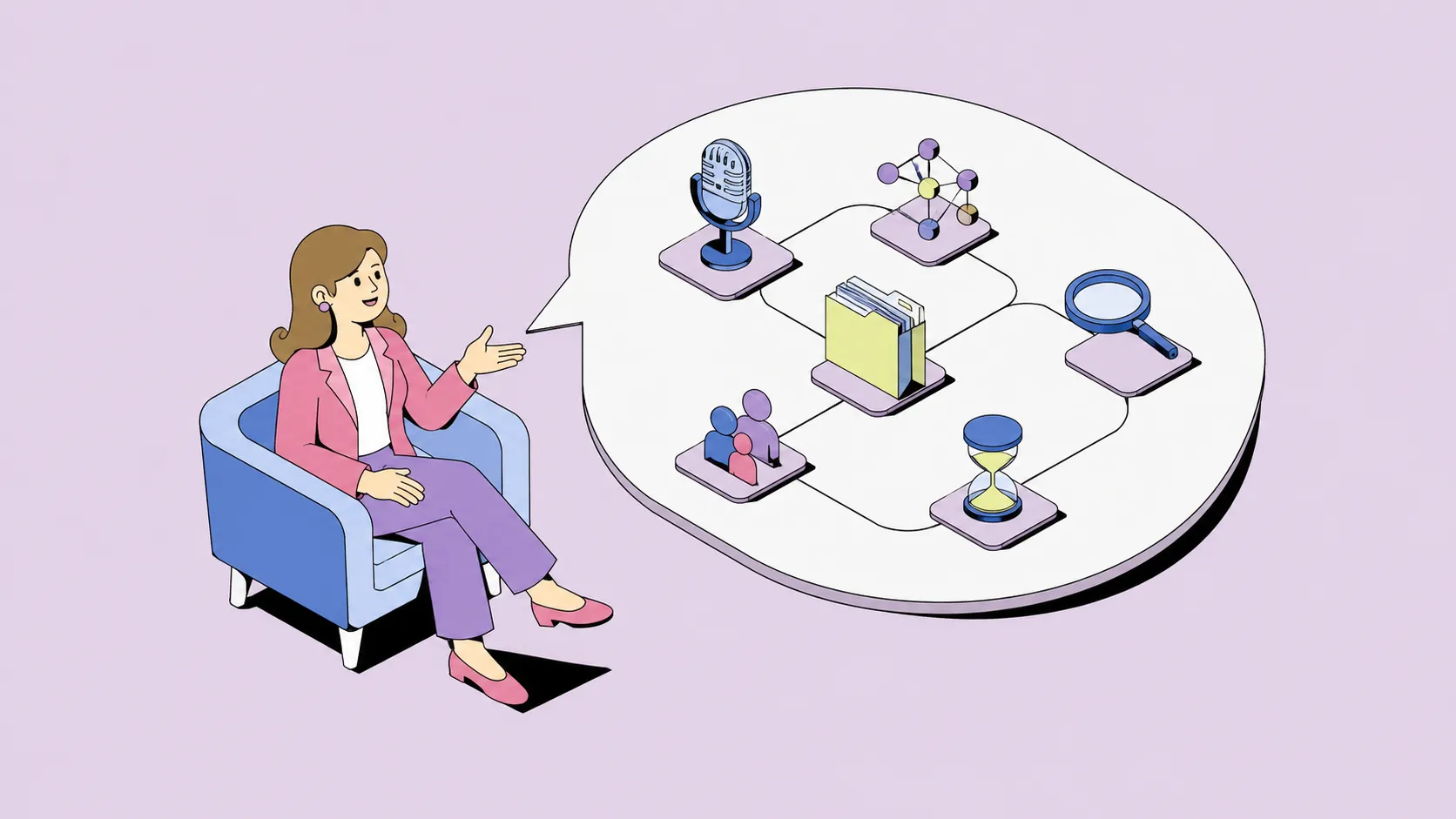
Mehana uses OpenAI and other AI tools extensively, particularly when she needs to understand an unfamiliar subject quickly.
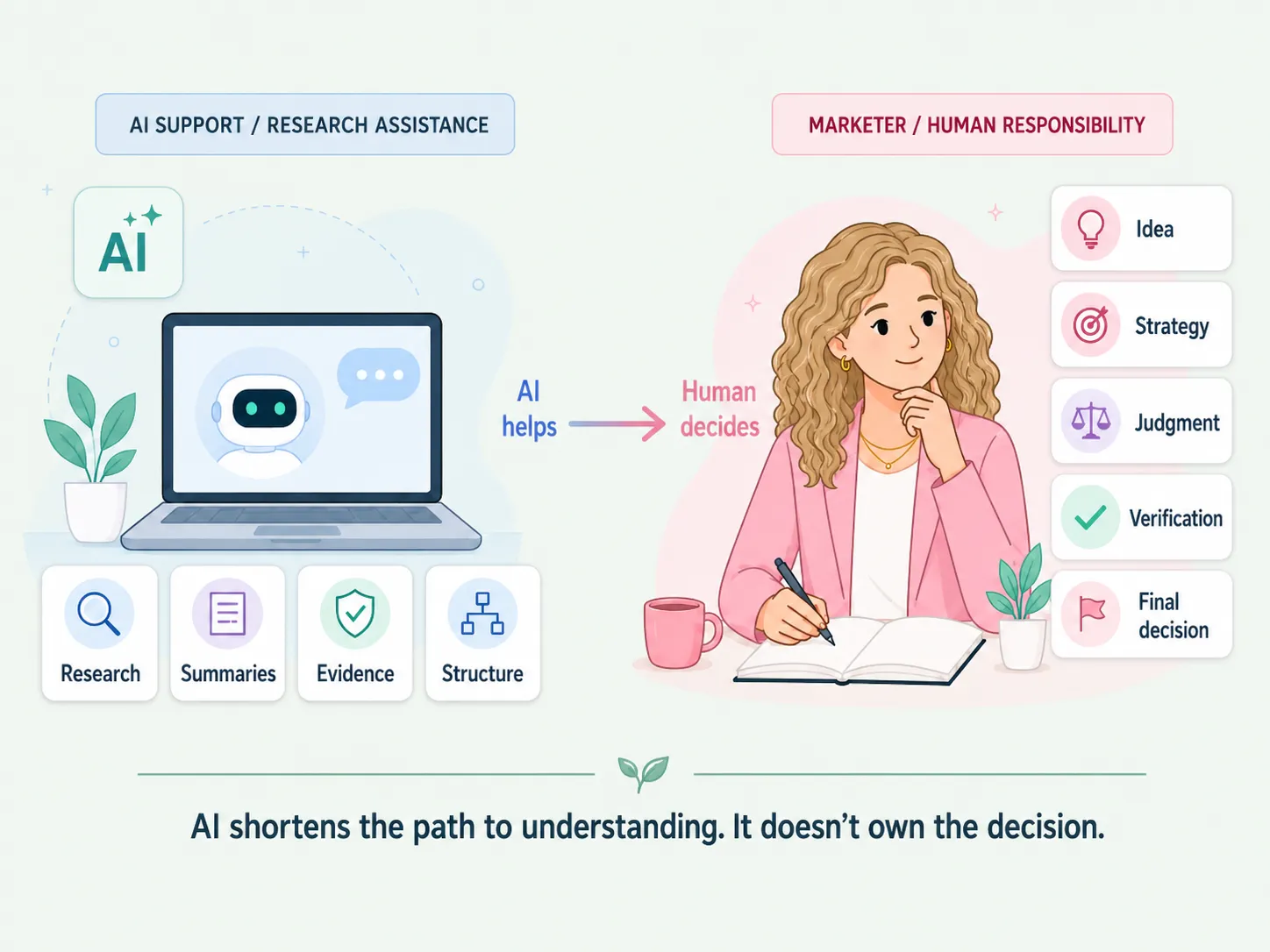
She uses AI to gather introductory information, summarize research, explain technical concepts in simpler language, identify areas requiring further investigation, structure ideas, and improve the clarity of information.
This can save hours during the initial research stage.
However, she draws a clear line between research assistance and decision-making. Strategic decisions, original campaign concepts, creative aspects, logical judgment, final content approval, and responsibility for accuracy remain with the marketer.
Her process usually begins with a campaign idea or a clear communication objective. AI is then used to research, analyze, challenge, or refine the idea. It does not replace the original thinking behind the campaign.
This distinction becomes especially important when working with technical information, product standards, safety requirements, certifications, or regulatory subjects.
AI may provide a confident answer that is incomplete, outdated, or inaccurate. It can summarize available information, but it cannot take responsibility for the consequences of publishing it.
For that reason, technical claims must be checked against reliable sources and confirmed with qualified professionals before being communicated publicly.
Mehana takes a practical view of marketing metrics, particularly on LinkedIn and other B2B platforms.
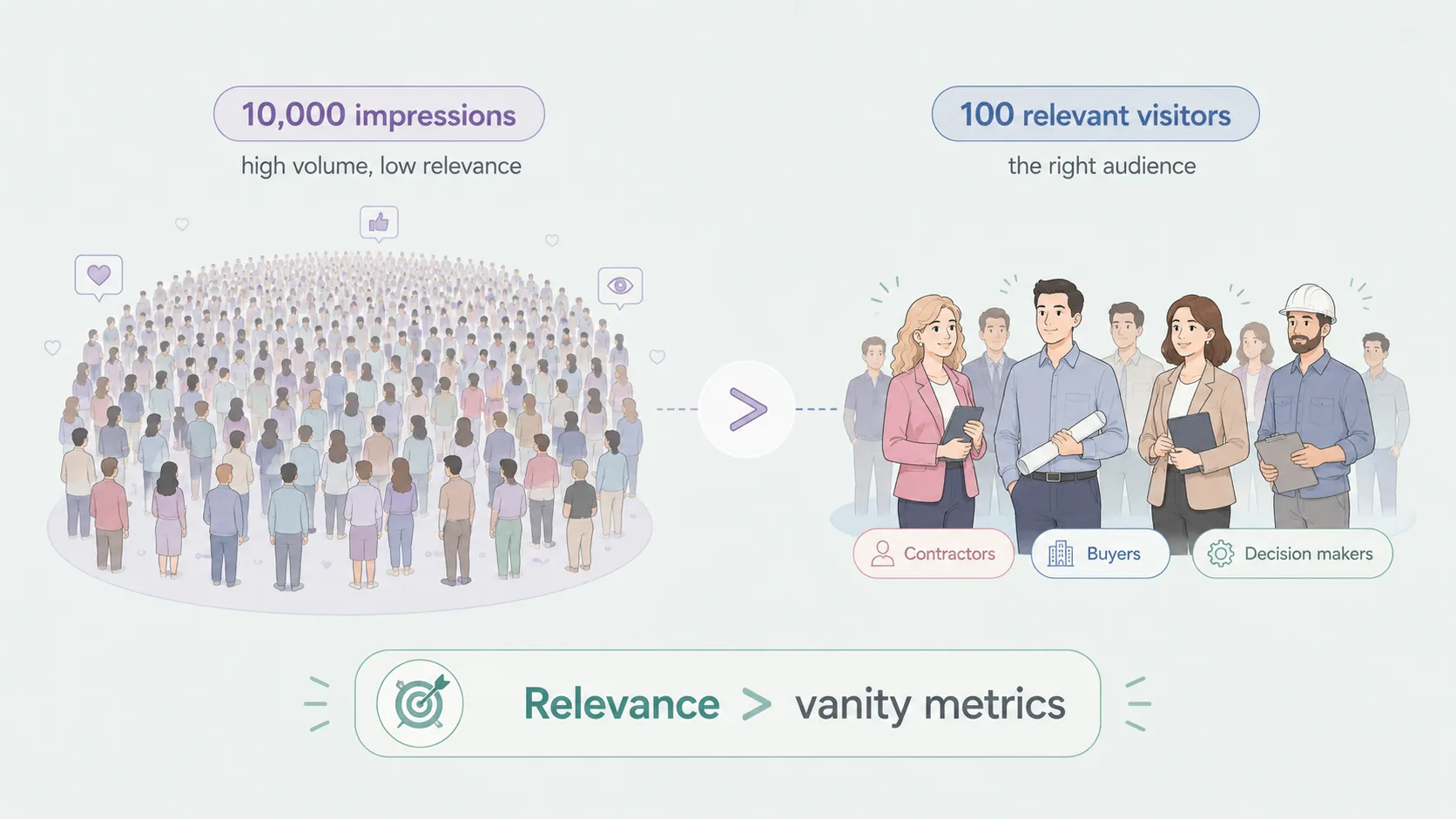
She is less interested in likes, comments, and follower numbers when those metrics are viewed without context. Her more important question is: who is actually paying attention?
If a campaign attracts contractors, consultants, quality and procurement professionals, decision-makers, or other priority audiences, the content may be performing its intended function – even when those people do not follow the page, leave a comment, or publicly interact with the post.
Many B2B decision-makers observe quietly. They may visit a company profile, review its website, save information, discuss it internally, or return later without producing a visible social-media interaction.
This means relevance should be assessed through audience quality, profile visits, website activity, qualified enquiries, meaningful conversations, and commercial intent – not only public engagement.
Her earlier experience with influencer marketing in B2C also strengthened her skepticism towards surface-level numbers.
Follower counts and comment volumes can be inflated or disconnected from genuine influence. More useful indicators include audience composition, engagement quality, consistency, credibility, brand relevance, and the relationship between the creator and the intended customer.
A large audience offers limited value when it does not include people who are likely to trust, consider, recommend, or purchase the product.
When Mehana explains how she learned an unfamiliar industry, she repeatedly returns to two factors: a supportive work environment and patience.
She generally prefers direct conversations over text messages when discussing something important or unfamiliar. Written messages can hide tone, hesitation, confusion, and the level of genuine understanding.
During a face-to-face conversation or video call, it is easier to notice whether someone agrees, needs clarification, or has interpreted the message differently.
A supportive professional environment gave her the space to ask questions without feeling that her lack of technical knowledge was a burden.
This patience helped her develop confidence. Earlier in her career, she sometimes assumed that she had made a mistake and apologized repeatedly, even before fully understanding the situation.
Her former manager and mentor, Jessica, played an important role in this process, helping her distinguish between genuine mistakes, learning moments, unclear communication, and unnecessary self-blame.
That experience shaped how she now thinks about leadership and teamwork. Training materials and formal processes are useful, but people learn more effectively when they feel safe enough to admit what they do not understand.
Earlier in her career, Mehana sometimes acted on partial information. She would begin working before fully hearing or understanding the complete request.
She recalls one campaign-related situation where she moved too quickly because she was working with only part of the information.
The lesson was not that mistakes must be avoided at all costs. It was that speed becomes dangerous when the objective, instructions, numbers, or expectations are still unclear.
Jessica also played an important role in helping her develop this awareness. Instead of allowing a mistake to become a reason for self-doubt, she learned to slow down, examine what had happened, and identify the actual cause.
Was the instruction incomplete? Did she misunderstand the expected outcome? Were the numbers unclear? Did she act without confirming an assumption? Was there a communication gap between the people involved?
Understanding the cause makes the mistake useful. Without that reflection, the same problem is likely to happen again.
The experience also taught her that confidence does not mean acting immediately. Sometimes confidence means asking another question, repeating the instruction back, checking the numbers, or requesting confirmation before proceeding.
Before entering marketing, Mehana studied accounting and finance. She did not choose those subjects because she felt deeply connected to them. At the time, they appeared to offer a safe and practical career path.
That changed when she discovered marketing.
The difference was not that marketing required less effort. It was that she became willing to make the effort without constantly needing someone else to push her.
Studying something she did not enjoy helped her recognize the difference between learning from obligation and learning from genuine interest.
Marketing gave her a reason to continue learning, even when the subject was difficult. Moving into industrial B2B marketing strengthened that understanding because she had to study an entirely unfamiliar market before she could communicate confidently within it.
Starting Tashwiq Media became another stage of that learning process. Running an agency requires her to understand different industries, audiences, client expectations, business models, and commercial challenges rather than remaining inside one familiar category.
Her advice to someone beginning a career is therefore twofold: listen carefully to people with experience, but do not lock yourself into a path that leaves no room for curiosity.
The right career will not remove difficult learning. It will give you a reason to continue despite the difficulty.

Mehana's experience is a reminder that entering a new industry does not require pretending to understand everything from the first day.
It requires the confidence to ask basic questions, the patience to listen to people who already understand the field, and the discipline to avoid applying familiar tactics before understanding the market.
Her transition from B2C marketing to industrial B2B marketing changed how she viewed customers, purchasing risk, technical communication, professional relationships, campaign measurement, and the responsible use of AI.
Those lessons now continue through her work at Tashwiq Media, where moving between industries still requires the same fundamental habit: understand before attempting to persuade.
Tools can accelerate the work. Experience can strengthen judgment. But curiosity is what makes the work relevant.