
Interview With Architectural Photographer Alan Blakely


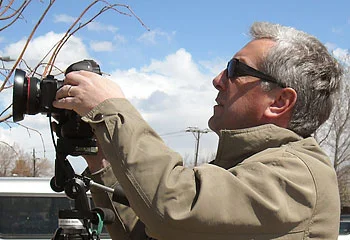
Our guest today is Alan Blakely, the founder and current director of The Association of Independent Architectural Photographers (AIAP), and Real Estate Photographers of America (REPA).
Mr. Blakely has also been the recipient of many professional awards for his commercial images. Blakely is the author of several photography publications and is a regular contributor to photography and architectural magazines and educational websites.
In 1992 he founded the Blakely Photography, a full service commercial studio located in North Salt Lake, Utah. Blakely Photography is owned and operated by Alan Blakely. Mr. Blakely began his commercial career in following a brief stint as a photojournalist. In the ensuing years Mr. Blakely also enjoyed successful careers as both a jazz musician and as an advertising copywriter. Since 1988 Alan Blakely has built a reputation for fine commercial photography in the U.S. market.
You can reach him through his Web site, http://blakelyphotography.com
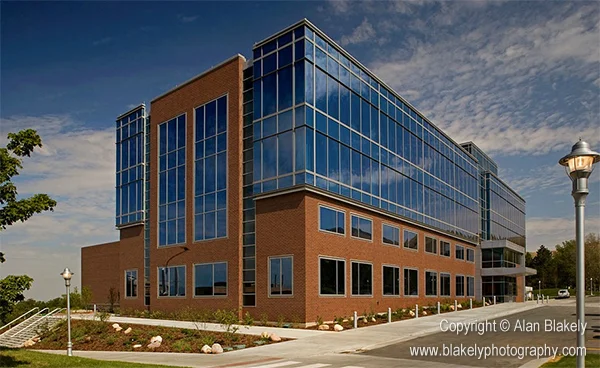
Copying or reproduction of this image is prohibited
How did you get started in photography? What made you decide to go in for architecture photography in particular?
I began working in photography at the age of 14 as a news photographer for my hometown newspaper.
I’ve always had a special interest in the design of unique homes and commercial buildings—both historical and contemporary. Architectural photography allows me to explore this interest as I interpret my client’s built spaces.
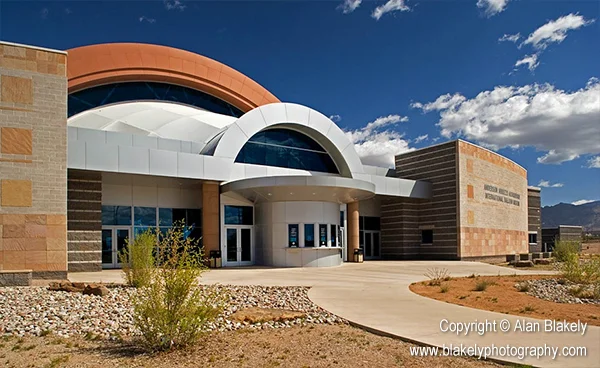
Copying or reproduction of this image is prohibited
What special skills and equipment would you consider essential when photographing architecture? What would your advice be to anyone thinking about taking up architecture photography?
I think architectural photography is probably requires less technical skill in the age of digital capture than it did when film shooting was the standard. However, great architectural photography still requires technical anfd aesthetic mastery of the equipment and the medium. Interpreting spaces in an artistic way while still making the photograph seem natural is a difficult task.
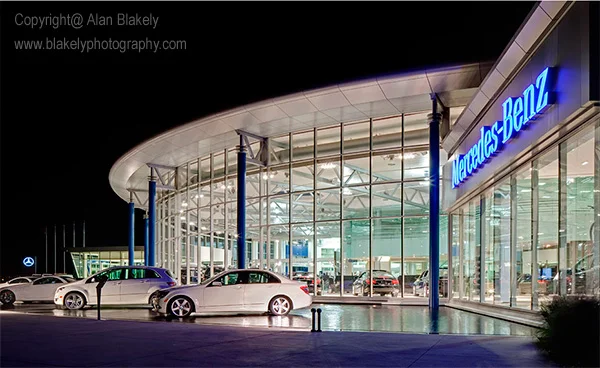
Copying or reproduction of this image is prohibited
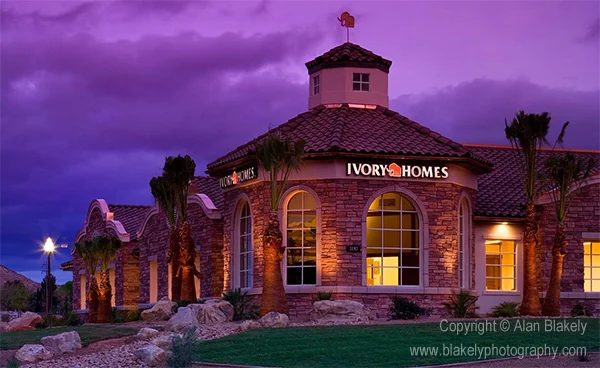
I particularly like the photos in your portfolio that were taken in the late evening. I guess some of them provide some pretty solid Lead-Conversion, as they say in marketing speak. Could you tell me a little bit about your post-processing workflow? Do you ever use HDR?
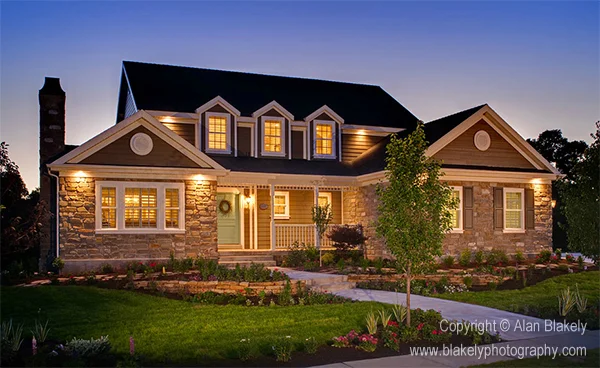
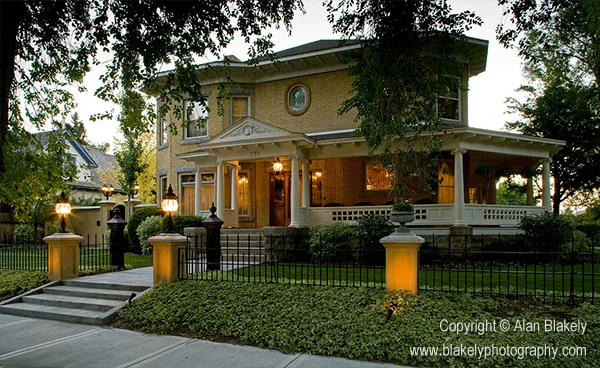
Thank you. The dusk shot has long been the signature shot of the architectural photographer. It requires a keen awareness of optimum timing and composition to be successful. Being able to create great dusk shots usually establishes a photographer as a legitimate architectural shooter. These shots also are crucial in a architectural photographer’s portfolio and marketing materials.
I use HDR as a tool in nearly every job I shoot. However, I would never want the tool, HDR or otherwise, to be the reason for a shot. I use HDR sparingly and always try to achieve a completely natural look in the image. I believe that an obviously HDR photograph is a failure.
Copying or reproduction of this image is prohibited
What’s your secret for choosing the right time to take night shots? Do you use a flash?
Experience is the best tool for predicting optimum time of day. However, I also use several different programs on my iPhone and computer to predict sun and moon declination.
You are the founder and director of both The Association of Independent Architectural Photographers and Real Estate Photographers of America & International. What made you decide to set up these organizations? Do they take up a great deal of your time
I created both of these organizations as a resource for photography buyers to find qualified architectural and real estate photographers. The primary purpose of each group is to help bring business to the membership.
The AIAP is now in its 10th year, and has been very successful as a resource for buyers and a source of business for members. The REPAI is now beginning its 2nd year and is seeing significant growth in traffic and bona-fide business leads.
Initially both organizations required a significant investment in time. I still spend time each day managing both groups.
Copying or reproduction of this image is prohibited
Alan, your website has an extremely long list of customers and loads of positive feedback. To what extent does that help you to new clients? Are there any tips you would give to someone starting out in architectural photography, apart from having a great portfolio of course?
Over the years I’ve been fortunate to have done business with many major corporations and talented architectural and design professionals. However, you’re only as good as your last assignment. Of course, a proven track record is a big asset when trying to attract new clients.
Success in architectural photography has as much to do with business sense as it does with photography talent. I’ve seen many talented photographers leave the profession in recent years as the economy has declined. A successful architectural photographer must have solid business skills to go along with above average talent. My best advice to a beginner would be to work as an assistant to as many successful photographers as possible.
Copying or reproduction of this image is prohibited
What are the most exciting and challenging architecture photography projects you’ve been involved in?
I travel quite extensively, and am always excited to shoot in a city where I’ve never been before—whether a major metropolis or a small country town. A well-planned and well-compensated project always proves exciting to shoot.
I find projects where I have to create “something from nothing” to be the most challenging. Many times I’m asked to photograph an incomplete project or shoot at a time of day that is less than optimum. I find these projects to be very challenging.
Which new pieces of architecture would you most like to photograph (either in your own country or internationally)?
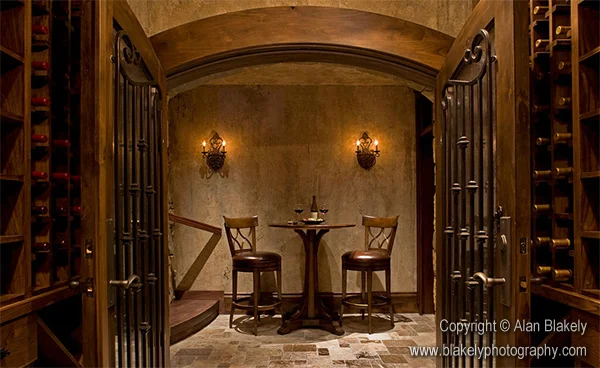
I’m not sure. I’m always fascinated with structures that seem ordinary but hold extraordinary design elements—wherever they may be.
Copying or reproduction of this image is prohibited
A list of extra questions
Where were you born?
I’m a native of Utah
How many years have you been involved in photography – and in architecture photography in particular?
I’ve been receiving a paycheck as a photographer for almost 40 years. The last twenty I’ve focused on architecture.
Who are your favorite photographers?
Ansel Adams, David Plowden, Max Yavno, Walker Evans, Philip Trager,
What do you think you would be doing now if you weren’t a photographer?
I’d be working as a professional musician. I spent several years in the music business but I’ve always enjoyed photography the most.
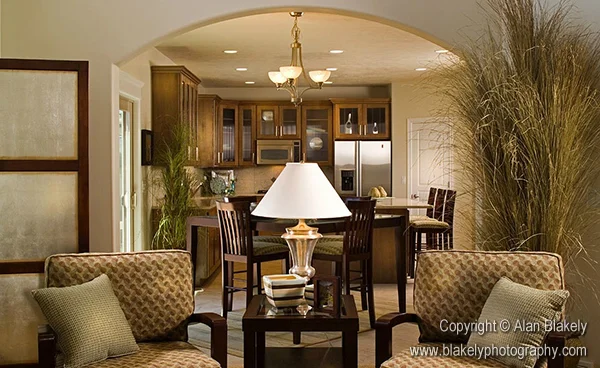
Copying or reproduction of this image is prohibited
What do you enjoy most about being a photographer?
Let me answer the question, “What do you enjoy most about being an independent photographer?” To that question I would answer that I enjoy the freedom and independence. I’ve only had a few jobs as an employee and could not now imagine answering to someone else for my time.
Is there anything you dislike about being a photographer?
There’s rarely anything I dislike about what I do. However, I have always disliked having to explain the difference between being a commercial photographer and a “retail” photographer. People are still perplexed as to what it is I do when I tell them that I don’t shoot weddings or portraits.
Schedule a free demo with Daminion now.
Working with architectural photography day to day? Studios and practices that keep large project archives use a DAM for architecture and design studios to keep shoots searchable by project, building and client rather than by folder name. If you are already comparing systems, we also keep a current list of OpenAsset alternatives.




Explore our DAM system
with your personal manager
demo from your dedicated manager.