
August 16, 2026
Updated



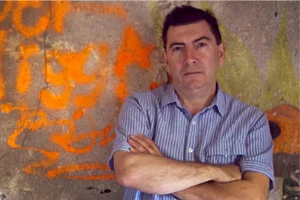
Rick Harris was born and raised in Toronto. He studied at Glendon College and has held a variety of careers, including software and graphic design.
His work has appeared in Max Magazine, File Magazine, The Shadow Collective, and UTATA.
He works with Heritage Toronto to document and raise awareness on endangered properties and heritage buildings.
Rick says he is an amateur photographer, and his architectural photographs definitely do have a style of their own; quite different from the work of most professional architectural photographers.
His architectural portfolio doesn’t contain hundreds of photos, so I didn’t have to sit and to choose the most interesting shots among them – they’re all remarkable and deserve to be seen in their entirety.
You can reach Rick on his web-site: http://rickharris.org.
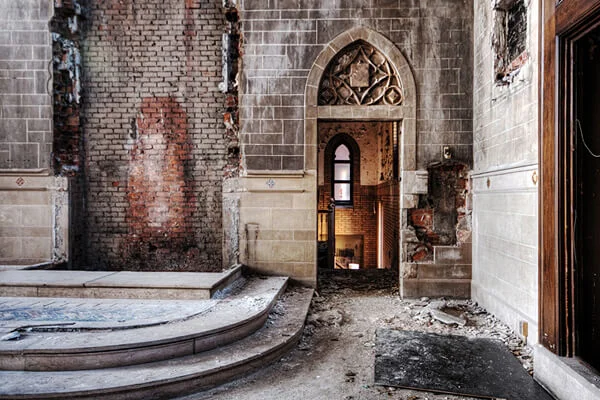
I am relatively new to photography. My interest in it coincided with the rise of digital photography, and my introduction came largely through my involvement in graphic design and the compositional and technical skills I picked up through it. These skills easily translated into photography.
This newfound interest in photography has been fostered by my involvement in online photographic communities. I’m pleased to see how willing most people are to share their enthusiasm and knowledge of photography.
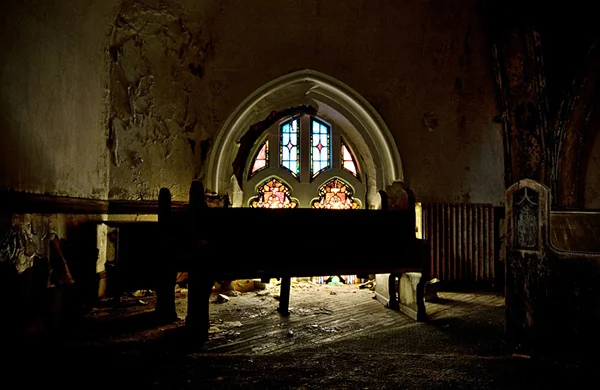
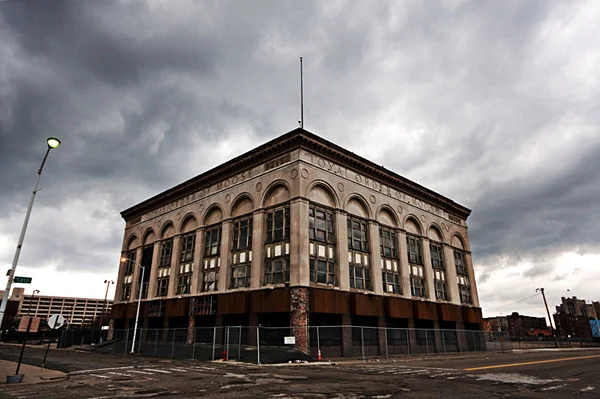
My greatest interest, architectural photography, stems from my involvement with Heritage Toronto. They’re an organization mandated to raise awareness of endangered heritage properties. I have a passion for architecture, especially heritage and abandoned properties. I’m always amazed at the beauty I discover in deserted, decaying buildings. I love documenting these types of endangered spaces. I also believe and hope that documenting these building increases the chances that may be salvaged.
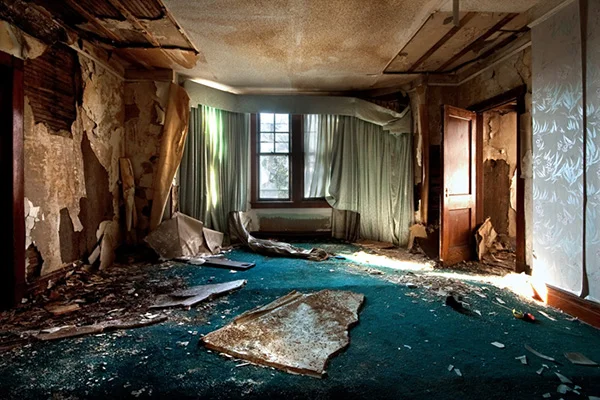
I don’t know if I consciously decided to use one style or another. I don’t have a roster of clients, so I’m not tied to a specific style. I believe the challenge and the joy of these spaces is discovering their hidden beauty. It feeds my love of exploration and discovery.
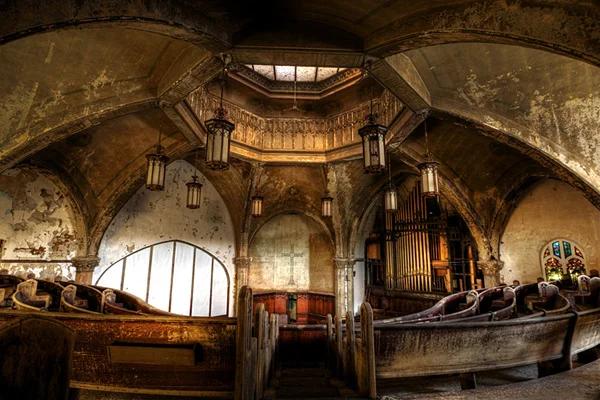
I admit that initially I enthusiastically embraced HDR and may have overused it. I’ve since learned that less is more as far as that technique is concerned. It does resolve some tricky lighting issues. And when used properly, it can produce some stunning results. I think that some people lose sight of the fact that it is a tool that, when properly applied, can render a more realistic view of the scene.
Lighting is often difficult in abandoned or empty buildings – this is a good situation to use HDR. I also believe there is a place for it in commercial photography, where the lighting is challenging or there is no option to introduce professional level lighting.
However, I do feel that this technique is to some extent overused.
My rule-of-thumb is that if you can tell it’s an HDR image, then I’ve overdone it and I need to tone it down.
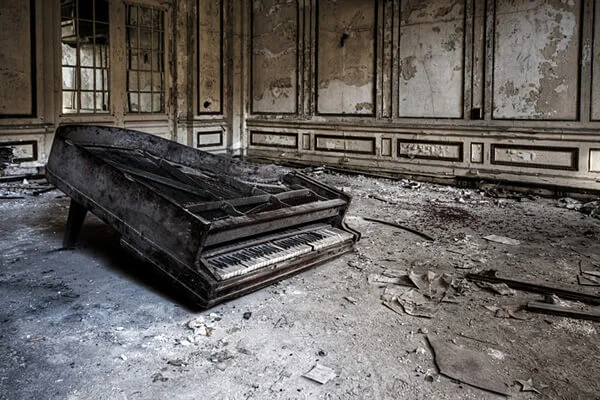
My near-term plans are to prepare and participate in an exhibit sponsored by Heritage Toronto. We will be showing a number of images related to transportation facilities during the months of April and May 2012.
I may travel to Detroit in the spring. Detroit is a surprisingly beautiful city with rich, compelling architecture. I am always traveling to cities in North America to document abandoned, endangered properties.
I intend to branch out to different types of photography, especially studio work with models. I am currently exploring that side of photography. I love artistic projects and hope to explore many styles of photography in the coming years.
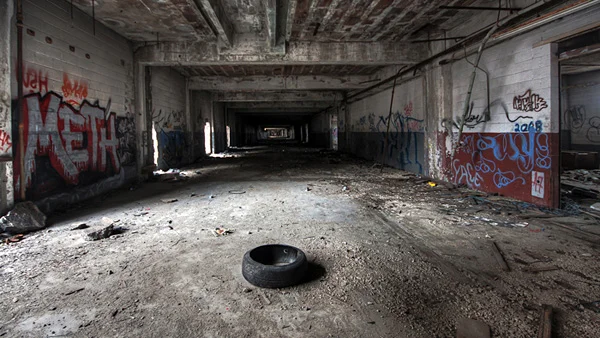
I consider myself an impulsive type following my instincts and experimenting with a number of styles and forms. I never see it as a job with all of the inherent responsibilities. I also see it more than a hobby. I approach it as a student would approach a subject they love.
If by commercial work, you mean work that I get paid for, then I would have to say my fine art pieces garner me the most sales. I have had good success in selling through my gallery exhibits. Given that I’m an enthusiastic amateur, I don’t have a roster of clients. I do dream of the day when my income is drawn from creative sources though. Today I have a day job that pays the bills.
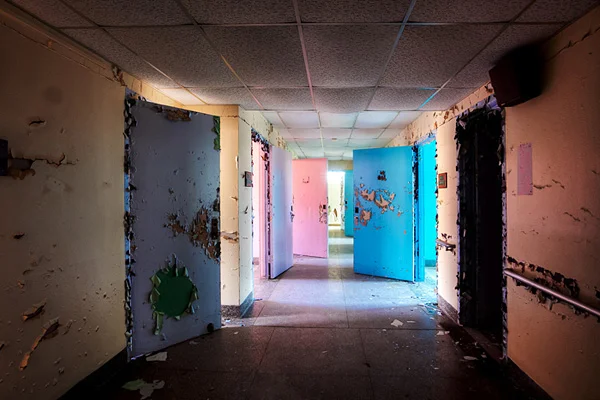
I don’t feel I’m competing with other photographers. I’m amazed with the quality of photography produced by professionals and amateurs alike. I find my muse and my inspiration from all photography and never feel the need to compete with others. It’s for this reason that I use a Creative Commons license on the majority of my work.
I use a Canon 5D Mk II as my body. I use three lenses: Sigma 10-20mm for landscapes and architecture. I use my 24-70mm 2.8 for interiors (it’s amazing for low-light situations). I use my 135mm prime for fine art and candid street photography.
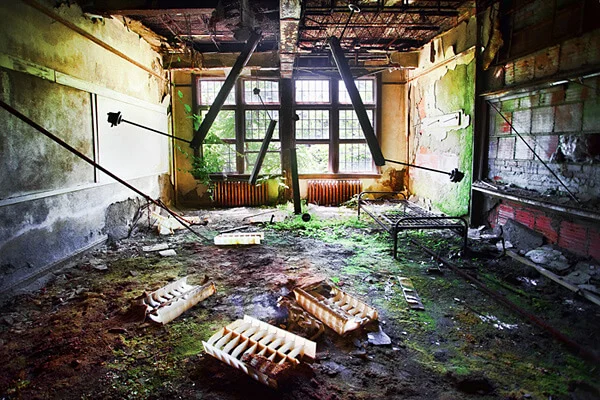
I’m interested in documenting the rust-belt around the Great Lakes in Canada and the US. I sense that these areas will transform over time and we will lose a bit of our heritage. I’d love to record these areas before they gentrify and transform into something else. We lose a little bit of our heritage as these areas improve and shake off their manufacturing legacy.
I was born in Toronto, Canada
I’ve been involved in photography for approximately 10 years. I’ve been interested in architecture photography for approximately 5 years.
My favourite photographers are landscape and fine art photographers:
I’d be a painter or a musician. Pursuing some creative project.
I love the creative aspects, the opportunity to explore and discover that comes from photography.
The cost of equipment. And the seemingly endless need to upgrade gear.
Managing a growing archive of project photography? Studios and practices that keep large project archives use a DAM for architecture and design studios to keep shoots searchable by project, building and client rather than by folder name. If you are already comparing systems, we also keep a current list of OpenAsset alternatives.