
October 9, 2025
Updated


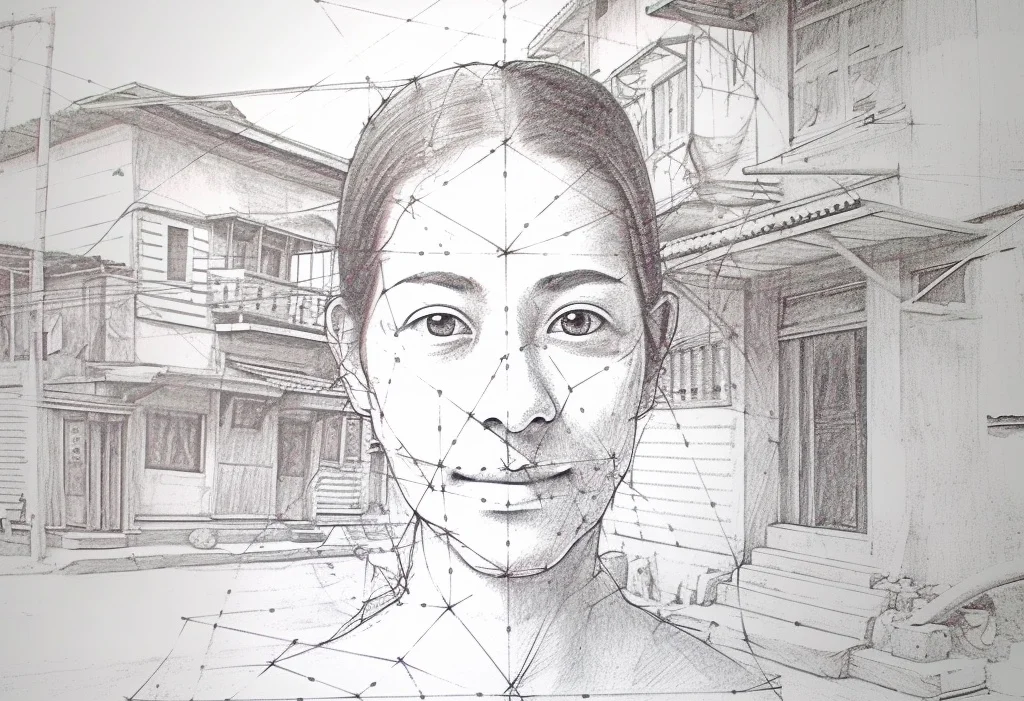
Daminion has developed a facial recognition technology, which will be available for use for their servers in the upcoming weeks. Our servers are now able to match a face from a digital image and recognize it. It is one of the most powerful and accurate face detection technologies and will find many applications.
[embedyt] https://www.youtube.com/watch?v=jw1zrXSneKU[/embedyt]Facial recognition is one of the most powerful and accurate biometric technologies and has many applications e.g., in the security sector. This technology has been around for decades, but it was not until recently that it became sophisticated enough to be used in a variety of applications.
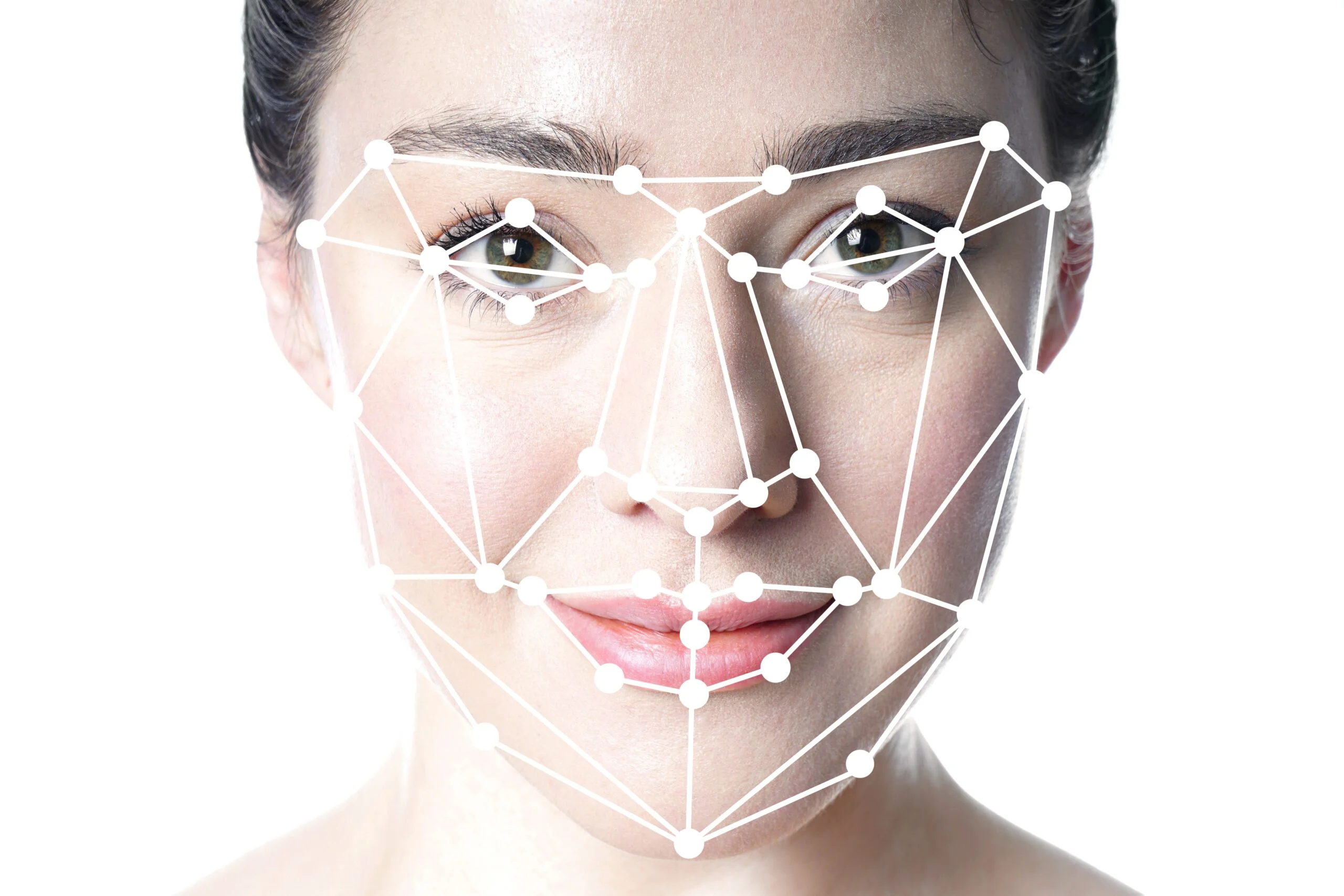
Facial recognition software is not that new. It has been around for a long time, and it is not new at all. But in the past few months and with the popularity of mobile devices, facial recognition has grown in prominence.
The technology was first used for security purposes in Europe in the 1990s, but technology advancements allowed for wider use (especially on mobile devices) from a few years ago onwards.
Daminion will soon release an updated version of its software. This includes facial recognition designed to check a person’s identity at its source. The technology works by associating an individual’s face with their metadata and compares it against the database of images.
The face recognition technology used in the Daminion servers is now live! Daminion Face Detection is custom developed by our team of developers and does not depend on 3rd party services.
This facial recognition technology works in any application where you would need a digital image featuring a person. It can also be used in a variety of educational and security applications. This technology is one of the most powerful and accurate biometric technologies and therefore has many applications e.g., in the security sector. Find out more about this exciting new biometric technology, contact us here: Digital Asset Management Demo | Daminion
After long day of searching for the right person in images, using face recognition saves so much time and I can tell you, it works. It’s quite amazing.
These searches will return all results matching because tagging once with face detection, will assign that tag to all the faces detected in other files as well. The beauty of this approach is that you only need to identify a person once. Daminion Server will detect that person in all existing and new files that you add to your catalog.
Daminion Server is designed for all ages from school students to college students to professionals and corporate employees to use this technology for a variety of purposes such as:
Facial recognition technology is effective for many applications. It can be used for face identification, biometric authentication and in-store surveillance.
Facial recognition is a powerful way to check identity and it has been around for a while now. The technology has evolved and shown itself more capable over time, both with regards to face-based identification and in its ability to detect faces in large numbers of images.
The new Daminion Server is up and running. We’ve seen a lot of great feedback, including from people who were able to use it on the web and from people who have used it in their applications.