October 9, 2025
Updated



In the ever-evolving world of marketing, it’s crucial to understand and effectively utilize touchpoints to engage customers and drive business growth. But what exactly are touchpoints in marketing? Simply put, they are points of contact between your brand and your customers or potential customers. They play a significant role in shaping your customer’s experience and overall perception of your brand.
In this article, we’ll delve into touchpoint marketing, define touchpoints, and share some examples to help you make the most of these crucial interactions.
As the late Steve Jobs once said, “You’ve got to start with the customer experience and work back toward the technology, not the other way around.” This quote highlights the importance of building your marketing strategy around the customer, and touchpoints play a vital role in this process.
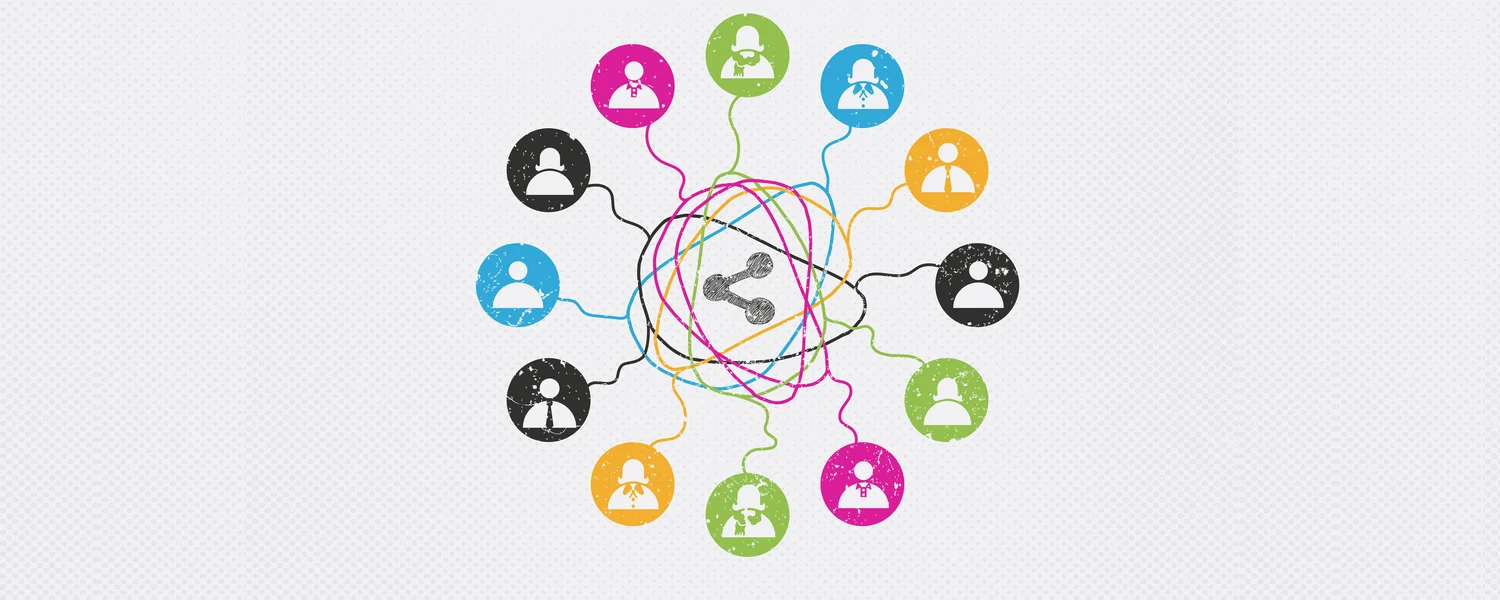
Touchpoint marketing involves identifying, evaluating, and optimizing the various points of contact with customers to enhance their experience and increase the likelihood of conversion. These points of contact can be online or offline, ranging from social media interactions to in-store visits.
To better understand what touchpoints are, let’s break them down into three main categories:
Now that we’ve defined touchpoints, let’s explore some ways you can optimize them to enhance your customer’s experience and drive business growth:
As marketing guru Seth Godin once said, “Marketing is no longer about the stuff that you make, but about the stories you tell.” This quote emphasizes the importance of effectively utilizing touchpoints to craft a compelling brand narrative that resonates with your audience.
Let’s look at a few marketing touchpoints examples that can help you optimize your strategy:
As famed entrepreneur Richard Branson once said, “The way you treat your customers determines your long-term relationship.” By understanding and optimizing your marketing touchpoints, you’ll be well on your way to fostering strong customer relationships and driving business growth.
Continuously monitoring the performance of your touchpoints is essential for ongoing success. Collect feedback from customers, track relevant metrics, and stay up-to-date with industry trends to make data-driven decisions and adapt your touchpoint strategy as needed.
Effective touchpoint marketing requires collaboration between different departments within your organization. Ensure that your marketing, sales, customer service, and product development teams are aligned and working together to create a seamless and consistent customer experience.
Remember that touchpoints are not just about pushing your message to your customers; they also offer opportunities for valuable two-way communication. Engage with your audience, listen to their feedback, and incorporate their insights to improve your touchpoint strategy and overall customer experience.
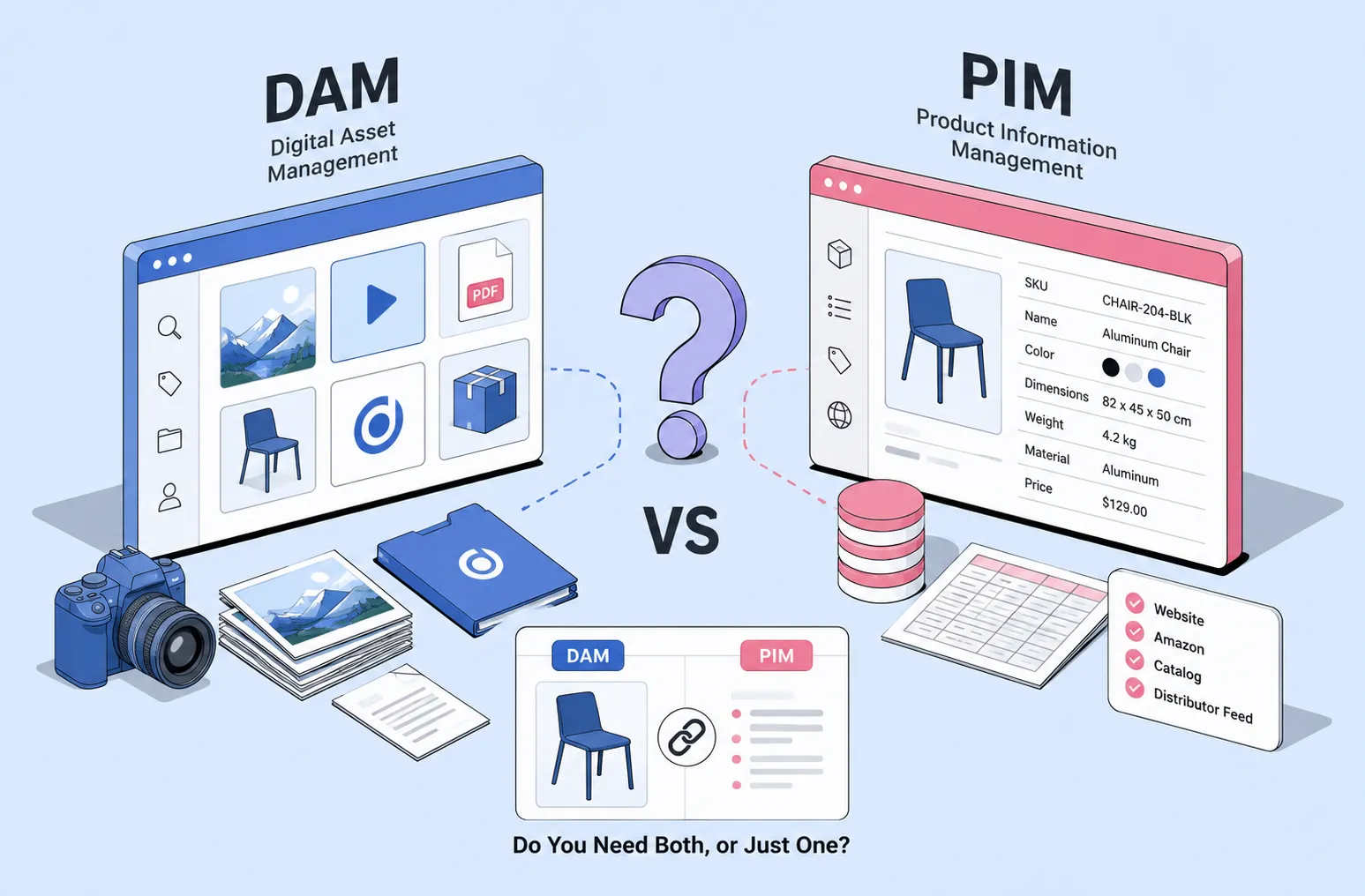
As we’ve discussed, marketing touchpoints are crucial for creating a seamless customer journey. In this context, Digital Asset Management (DAM) can play a vital role in optimizing and enhancing these touchpoints. Let’s explore how DAM can help boost your touchpoint strategy:
To make the most of DAM in your touchpoint strategy, consider these tips:
In conclusion, understanding and effectively utilizing marketing touchpoints, along with integrating Digital Asset Management (DAM) into your touchpoint strategy, is essential for building strong customer relationships and driving business growth. DAM can significantly enhance your marketing touchpoints by ensuring consistency, efficiency, collaboration, personalization, and data-driven decision-making.
By identifying, evaluating, and optimizing your touchpoints, and fostering a culture of continuous improvement and collaboration, you can create a seamless and memorable customer journey that leaves a lasting positive impression on your audience. Remember, as Seth Godin said, “Marketing is no longer about the stuff that you make, but about the stories you tell.” So make sure your touchpoints, supported by DAM, tell a story that resonates with your customers and keeps them coming back for more.