August 7, 2026
Updated


The world of game development is a complex tapestry, woven with creativity, technology, and a myriad of digital assets. In this intricate process, digital asset management (DAM) emerges as a pivotal tool. It’s not just a system; it’s a game changer for developers, streamlining workflows and safeguarding creative assets. Let’s delve into how digital asset management for game developers can revolutionize the industry.
To truly appreciate the impact of digital asset management (DAM) in game development, we need to delve deeper into its core functionalities and how they cater to the unique needs of this industry.
The concept of a centralized repository in digital asset management is akin to having a well-organized digital library at the heart of game development. This centralization is not just a convenience; it’s a necessity given the diverse and abundant nature of assets in game creation.
In the realm of game development, assets are the building blocks of the virtual worlds we create and explore. These assets are incredibly varied:
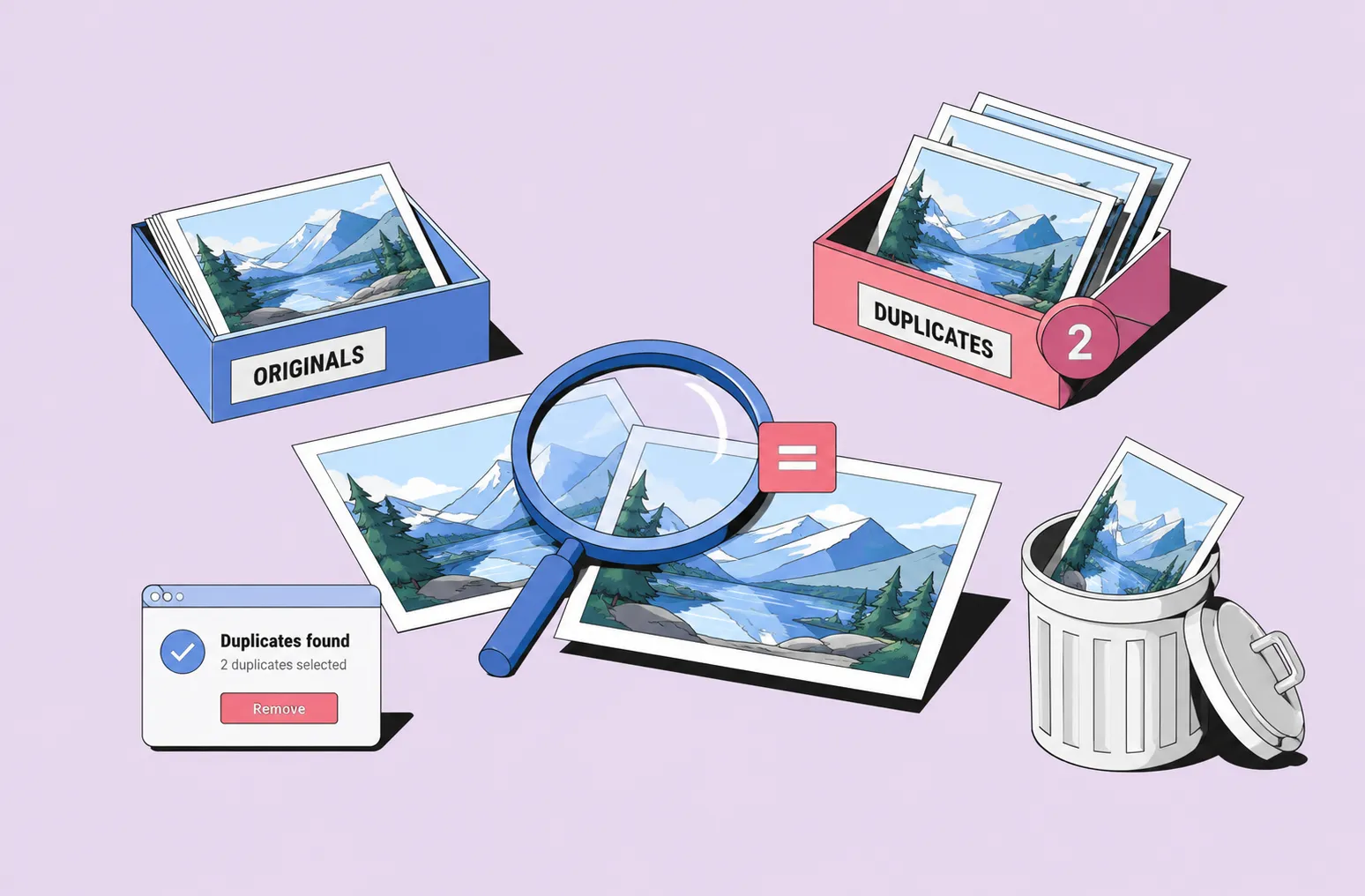
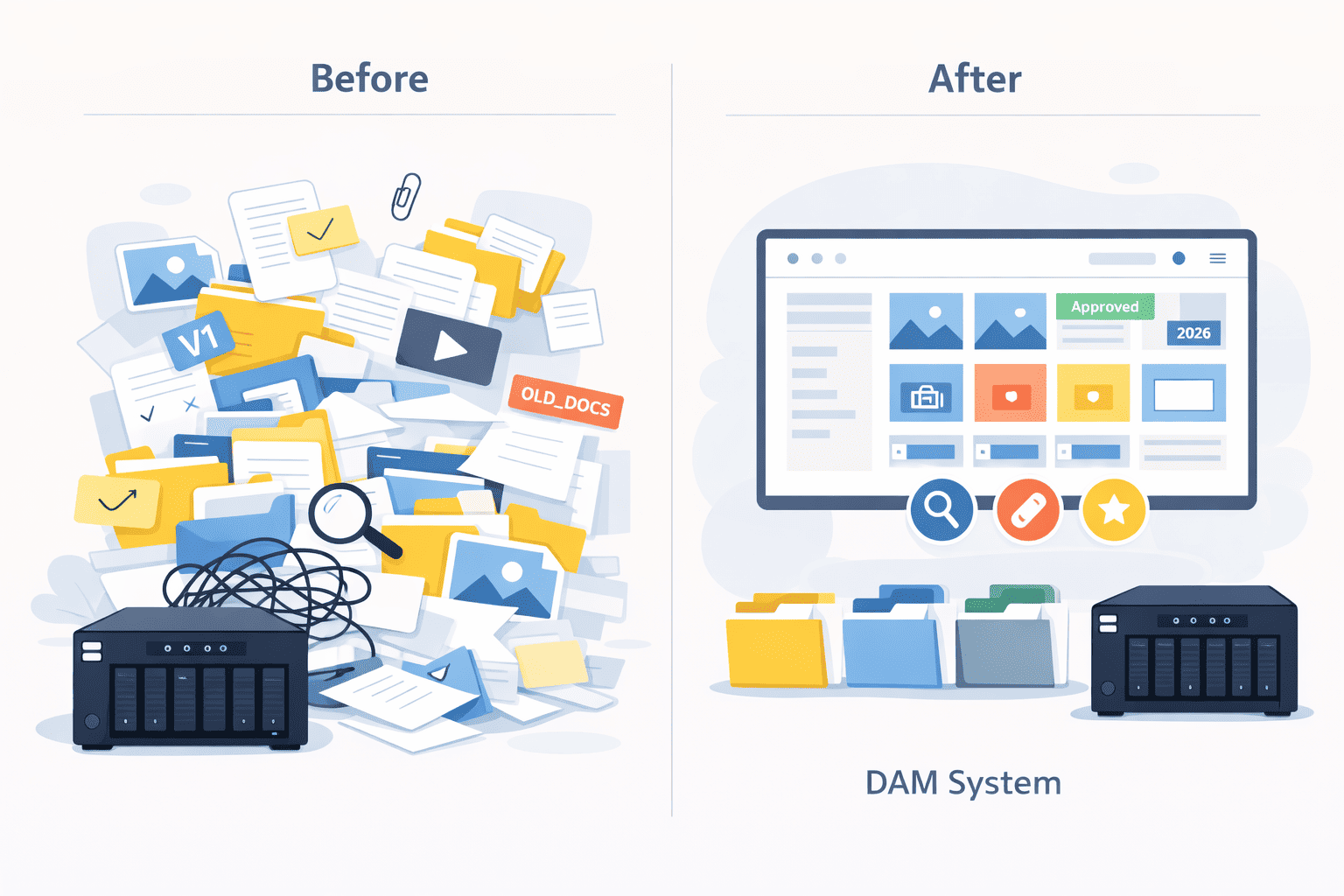
In a typical game development scenario without DAM, these assets would be scattered across various drives, folders, and even different machines. This disorganization not only makes it challenging to find and use assets but also increases the risk of duplication and inconsistency.
With a centralized DAM system, all these assets are stored in one place. This central repository acts as a single source of truth, ensuring that everyone on the team is working with the same materials. It’s like having a master key to every resource needed for the game’s development.
The centralized repository offered by DAM is not just a storage space; it’s the foundational framework upon which the entire game development process is built. It brings order to chaos, ensuring that the creative and technical aspects of game development work in harmony. By leveraging this centralization, game developers can focus on what they do best – creating immersive and engaging gaming experiences.
In the intricate world of modern game development, as exemplified by titles like “The Witcher 3” or “Fortnite”, the volume and variety of digital assets are truly overwhelming. This is where digital asset management (DAM) systems become indispensable, offering sophisticated tools to bring order to this complexity.
DAM systems enable developers to categorize and tag each asset meticulously. This process goes beyond basic organization – it’s about creating a logical structure that mirrors the game’s architecture. For example, assets can be categorized by type (e.g., textures, models, audio), by their role in the game (e.g., character, environment, UI elements), or even by the stage of development they are associated with.
Tagging adds another layer of granularity. Tags can include information about the asset’s style, the level or scene it belongs to, or any other relevant metadata. This detailed tagging system makes it easy to locate not just a single asset, but also all related assets.
One of the most significant advantages of a DAM system in game development is its ability to map out the relationships between different assets. For instance, a character in a game is not just a standalone model. It’s a complex amalgamation of 3D models, textures, animations, and sound effects. In a DAM system, these interconnected assets can be linked, creating a cohesive structure that reflects their interdependence.
This understanding of asset relationships is crucial for efficient game development. When a model is updated, for instance, it’s easy to see which animations and textures need to be adjusted to match. This interconnected view helps maintain consistency and quality across the game.
With DAM, navigating this web of assets becomes a streamlined process. Developers can quickly move from a character model to its associated animations, textures, and sound files without having to sift through unrelated files. This ease of navigation significantly speeds up the development process, as developers spend less time searching for assets and more time actually using them.
Moreover, managing these assets becomes more straightforward. Updates, replacements, or deletions of one asset can automatically trigger notifications or updates to related assets. This level of management ensures that changes are reflected across the entire game, maintaining a coherent and up-to-date asset library.
Organizing a universe of assets in game development is a monumental task that DAM systems handle with finesse. By providing sophisticated tools for categorization, tagging, and understanding asset relationships, DAM transforms the chaotic sea of individual assets into a well-organized, easily navigable, and manageable structure. This organization is not just about efficiency; it’s about creating a solid foundation upon which the creative and technical aspects of game development can thrive in harmony.
In the dynamic and deadline-driven arena of game development, the ability to quickly access necessary assets is not just a convenience; it’s a critical component of the workflow. Digital asset management (DAM) systems excel in this regard, offering advanced search functionalities that transform the way assets are retrieved.
The search capabilities in DAM systems are designed to handle the complexities and nuances of game development assets. These systems go beyond basic filename searches. They allow for multi-faceted queries based on a wide range of metadata – from asset type, creation date, and file size to more specific game-related tags like level, character, or scene.
For instance, if a developer needs to find all the assets related to a specific character, they can simply enter the character’s name into the search bar. The DAM system will then retrieve not just the character model but also associated textures, animations, voice files, and any other related assets. This capability drastically reduces the time spent hunting for files, enabling developers to focus more on the creative and technical aspects of game development.
This ease of access provided by DAM systems significantly streamlines the development process. When developers can find and retrieve assets quickly, it reduces downtime and keeps the project moving forward. This efficiency is particularly crucial when working with tight deadlines or making last-minute changes.
Moreover, the quick retrieval of assets is invaluable during the debugging and testing phases of game development. When issues are identified, developers can swiftly locate and address the relevant assets, facilitating a smoother and more efficient refinement process.
Another significant advantage of efficient asset retrieval is the encouragement of asset reuse. In many cases, assets created for one project can be repurposed or adapted for another, saving both time and resources. This practice is especially beneficial for smaller studios or independent developers, where budgets and resources are often limited.
For example, a texture or environmental model used in one game can be slightly modified and reused in a different context in another game. DAM systems make it easy to locate these reusable assets, assess their suitability for the new context, and implement them effectively.
The retrieval capabilities of DAM systems play a pivotal role in optimizing the game development process. By offering advanced search functionalities and easy access to a wide array of assets, DAM systems not only save time but also enhance the overall efficiency and creativity of development teams. This ease of access is a game-changer, especially for smaller studios looking to maximize their resources and compete in the highly competitive world of game development.
Game development is inherently iterative. Assets are not created in a vacuum; they evolve through a series of revisions and refinements. This evolution is a crucial part of the creative process, where ideas are tested, improved, or sometimes even discarded. In such a dynamic environment, version control becomes an indispensable tool, and this is where digital asset management (DAM) systems shine.
DAM systems offer robust version control capabilities, allowing teams to track every change made to an asset. This tracking is not just about recording the latest version; it’s about preserving the entire history of an asset’s development. Each iteration, from the initial concept to the final version, is stored and cataloged.
For game developers, this means having a comprehensive record of how a character model’s design has evolved, how a soundtrack has been refined, or how a level’s layout has changed over time. This detailed history is invaluable for several reasons:
Consider a scenario where a game’s art style needs to be changed midway through development. With version control, the team can compare different art styles side-by-side, understanding the implications of each change. They can then make informed decisions about which direction to pursue.
In another instance, a bug might be traced back to a specific asset change. With version control, developers can quickly identify when the bug was introduced and by which update, streamlining the debugging process.
Version control also acts as a repository of ideas. Sometimes, an early concept that was initially discarded might become relevant later in the development process. With a DAM system, these early concepts are never truly lost; they can be revisited and potentially revitalized.
Version control within DAM systems is more than just a feature; it’s a foundational aspect of modern game development. It offers a safety net, encouraging creativity and experimentation while minimizing risk. By meticulously tracking the evolution of each asset, DAM systems provide a clear and detailed history book of the game’s development journey, enhancing both the efficiency and the creativity of the development process.
Game development is a symphony of collaborative efforts, where diverse teams such as artists, sound designers, programmers, and testers come together to create a cohesive gaming experience. In this collaborative ecosystem, communication and synchronization are paramount. This is where digital asset management (DAM) systems play a crucial role, acting as a unifying platform that facilitates seamless collaboration.
DAM systems provide a shared digital space where all team members, irrespective of their specific roles, can access and update assets. This shared environment is more than just a storage area; it’s a dynamic workspace where the latest versions of assets are always available.
This centralized access ensures that everyone is working with the same set of tools and materials, which is critical for maintaining a unified vision for the game.
One of the biggest challenges in game development is ensuring that the final product is consistent and coherent, especially when multiple teams are working on different aspects of the game. DAM systems address this challenge by:
In a field where a small error can lead to significant setbacks, the role of DAM in reducing errors and miscommunications cannot be overstated. By providing clear and organized access to assets, DAM systems minimize the chances of using outdated or incorrect assets, which can lead to bugs or inconsistencies in the game.
In today’s world, where remote work is increasingly common, DAM systems are even more critical. They enable teams spread across different locations to collaborate as if they were in the same studio. This global collaboration capability is essential for tapping into diverse talent pools and working across time zones.
DAM systems are the backbone of collaboration in game development. By providing a shared, organized, and accessible environment, they enable different teams to work in harmony, ensuring that the final product is a testament to their collective vision and effort. In the complex and multifaceted world of game development, DAM is not just a tool; it’s a catalyst for creativity, efficiency, and unity.
In the ever-evolving landscape of game development, particularly in genres like online multiplayer games, the concept of a ‘final product’ is increasingly fluid. Games are no longer static entities; they grow and evolve over time through updates, expansions, and new content. This dynamic nature of game development demands a system that can not only handle the current load of assets but also grow alongside the game. This is where the scalability of digital asset management (DAM) systems becomes a critical factor.
As a game progresses in its lifecycle, the quantity and complexity of its assets naturally increase. New levels, characters, textures, and sounds are added, each requiring management and integration into the existing game structure. DAM systems are inherently designed to handle this scalability. They are equipped to accommodate an expanding library of assets, ensuring that the increase in volume does not compromise the system’s performance or the efficiency of the development process.
In the realm of online multiplayer games and other genres that rely on continuous updates and expansions, the ability to quickly and efficiently add new content is paramount. DAM systems support this need by:
As games grow, often so do the teams working on them. DAM systems scale to accommodate larger teams, ensuring that new members can easily access and collaborate using the existing asset library. This scalability is crucial for maintaining a cohesive development process, even as the team size expands.
The scalability of DAM systems is a vital component in the modern game development process. It ensures that as a game grows and evolves, the management of its assets does not become a bottleneck. By providing a system that grows with the game, DAM enables developers to focus on creativity and innovation, secure in the knowledge that their asset management system can handle the expanding scope of their projects. This scalability is not just a feature; it’s a necessity in the dynamic world of game development.
In summary, digital asset management is much more than just a storage solution for game developers. It’s a comprehensive system that addresses the complex needs of organizing, retrieving, and managing a vast array of digital assets. By leveraging DAM, game developers can create more organized, efficient, and collaborative workflows, ultimately leading to richer and more immersive gaming experiences.