August 7, 2026
Updated


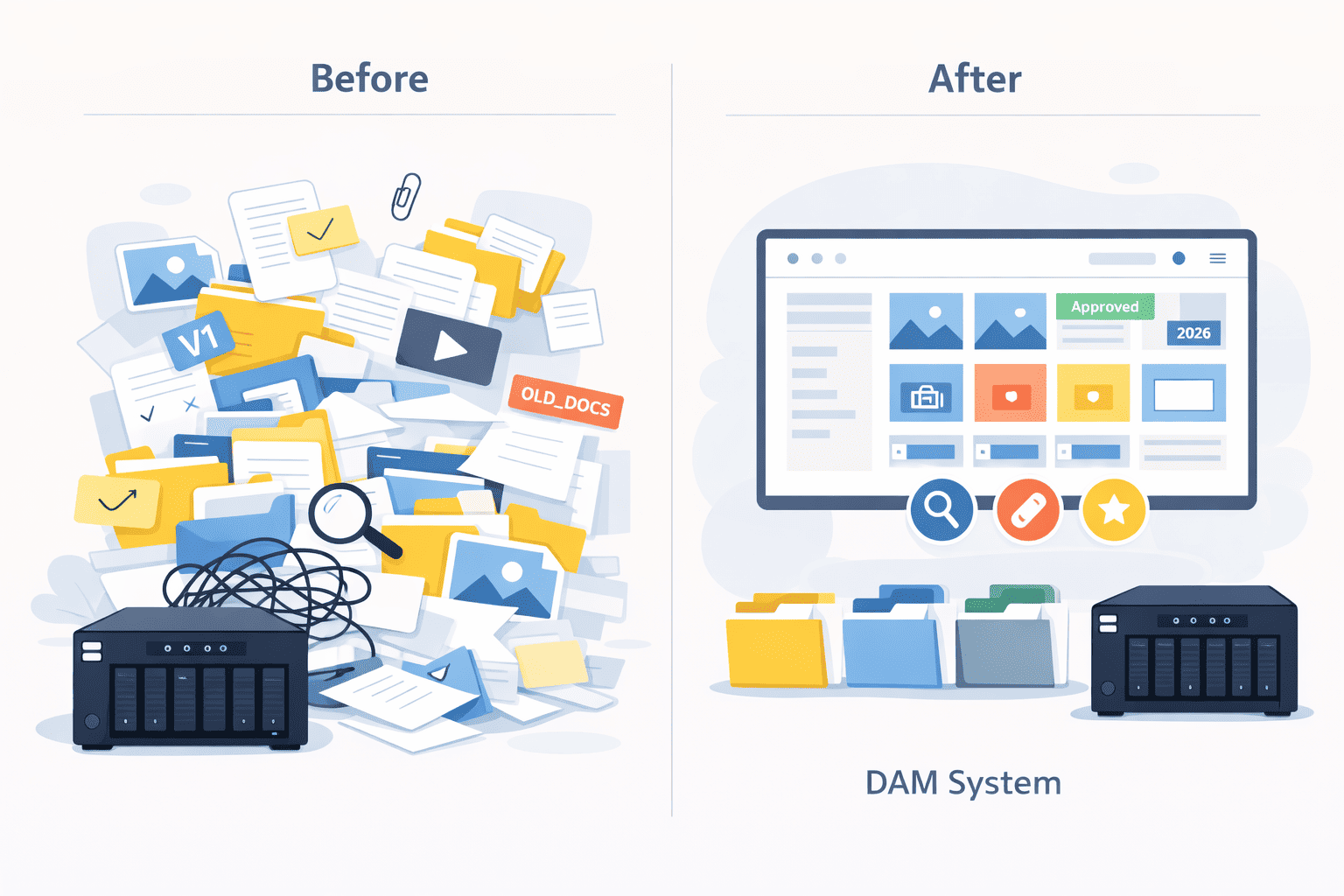
As we dive into the world of digital image management systems, it’s clear that these tools have evolved significantly. They are no longer just repositories for images but have become sophisticated platforms that offer a range of functionalities. These systems now provide advanced editing tools, seamless integration with other software, and AI-driven capabilities for smarter organization and retrieval. For e-commerce, this evolution means being able to present products in the most appealing way, directly impacting customer engagement and sales.
The key to these systems is their ability to adapt to various business needs. Whether it’s for a small online store or a large enterprise, these platforms offer scalable solutions. They can handle thousands of images, ensuring that each one is tagged, categorized, and easily accessible. This level of organization is crucial in a world where digital content is constantly being created and consumed.
Selecting the right digital image management system can be daunting, given the plethora of options available. However, the decision should be guided by specific needs and goals. For e-commerce businesses, the focus might be on systems that offer robust cataloging features and integration with online sales platforms. In contrast, creative professionals might prioritize systems with powerful editing tools and color management capabilities.
It’s also important to consider factors like user interface, ease of use, and customer support offered by the system provider. A system with an intuitive interface can significantly reduce the learning curve, making it easier for team members to adapt. Additionally, considering the future scalability of the system is crucial as your image library and business grow.
In conclusion, the right digital image management system can transform how you store, organize, and utilize your digital images. It’s an investment in your business’s efficiency and effectiveness in the digital realm. By carefully considering your specific needs and the features offered by these systems, you can choose a solution that not only meets your current requirements but also supports your future growth.
First on our list is Daminion. Renowned for its client-centric approach, Daminion stands out with its willingness to adapt and evolve based on client feedback. Imagine a tailor, meticulously crafting a suit to fit your specific measurements – that’s Daminion with its digital image management solutions.
Pros:
Cons:
Adobe Bridge is like the Swiss Army knife for creative professionals. It’s robust, versatile, and integrates seamlessly with other Adobe products.
Pros:
Cons:
Think of Google Photos as the friendly neighborhood librarian who knows exactly where everything is. It’s simple, efficient, and incredibly user-friendly.
Pros:
Cons:
Dropbox is like a central town square where everyone meets, shares, and collaborates. It’s not just about storage; it’s about teamwork.
Pros:
Cons:
Imagine a conductor orchestrating a symphony – that’s Extensis Portfolio with your digital assets. It’s designed for precision and efficiency.
Pros:
Cons:
Bynder stands out as a personal brand assistant, ensuring consistency and alignment across all digital assets, much like a meticulous curator in a museum.
Pros:
Cons:
Pixlr emerges as a convenient online editor, offering easy access and basic management through its web-based platform.
Pros:
Cons:
Capture One is known for its high-quality image processing and detailed management tools, akin to a meticulous craftsman ensuring every detail is perfect.
Pros:
Cons:
PicMonkey is tailored for organizations focused on social media, combining basic management with easy-to-use editing tools.
Pros:
Cons:
️ Selecting the right digital image management system is crucial, akin to choosing a reliable partner in a dance. It should match your organization’s rhythm, style, and scale. From Daminion’s tailored flexibility to the simplicity of Google Photos, each system offers unique advantages and challenges. Assess your specific needs and choose a system that aligns with your organizational workflow, ensuring that your digital assets are managed efficiently and effectively. Remember, in the digital realm, a robust image management system is not just a tool; it’s the backbone of your visual strategy.